Revolutionize Your Business with Finesse Business Suite CRM
Automate, Nurture, and Grow with AI-Powered Conversations
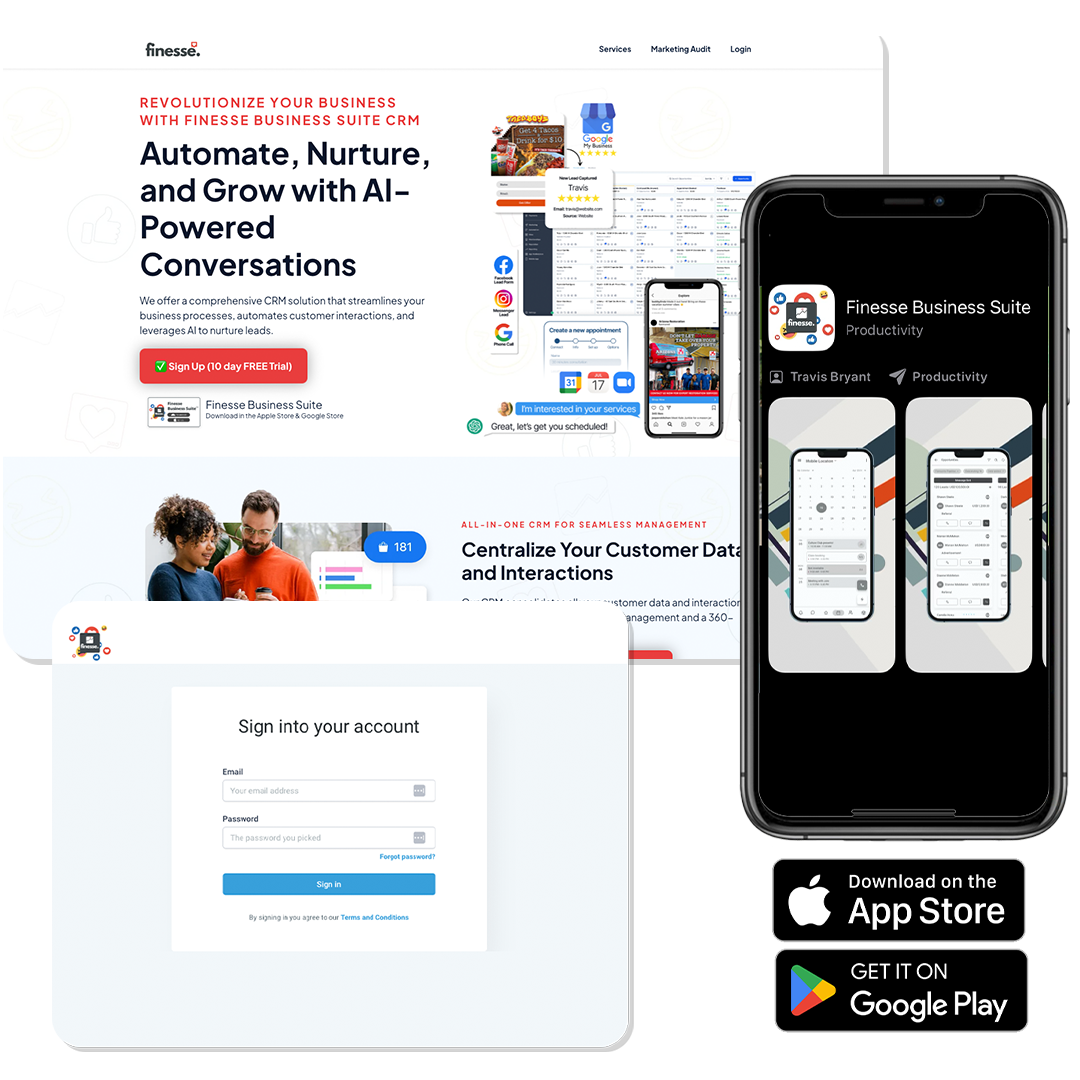
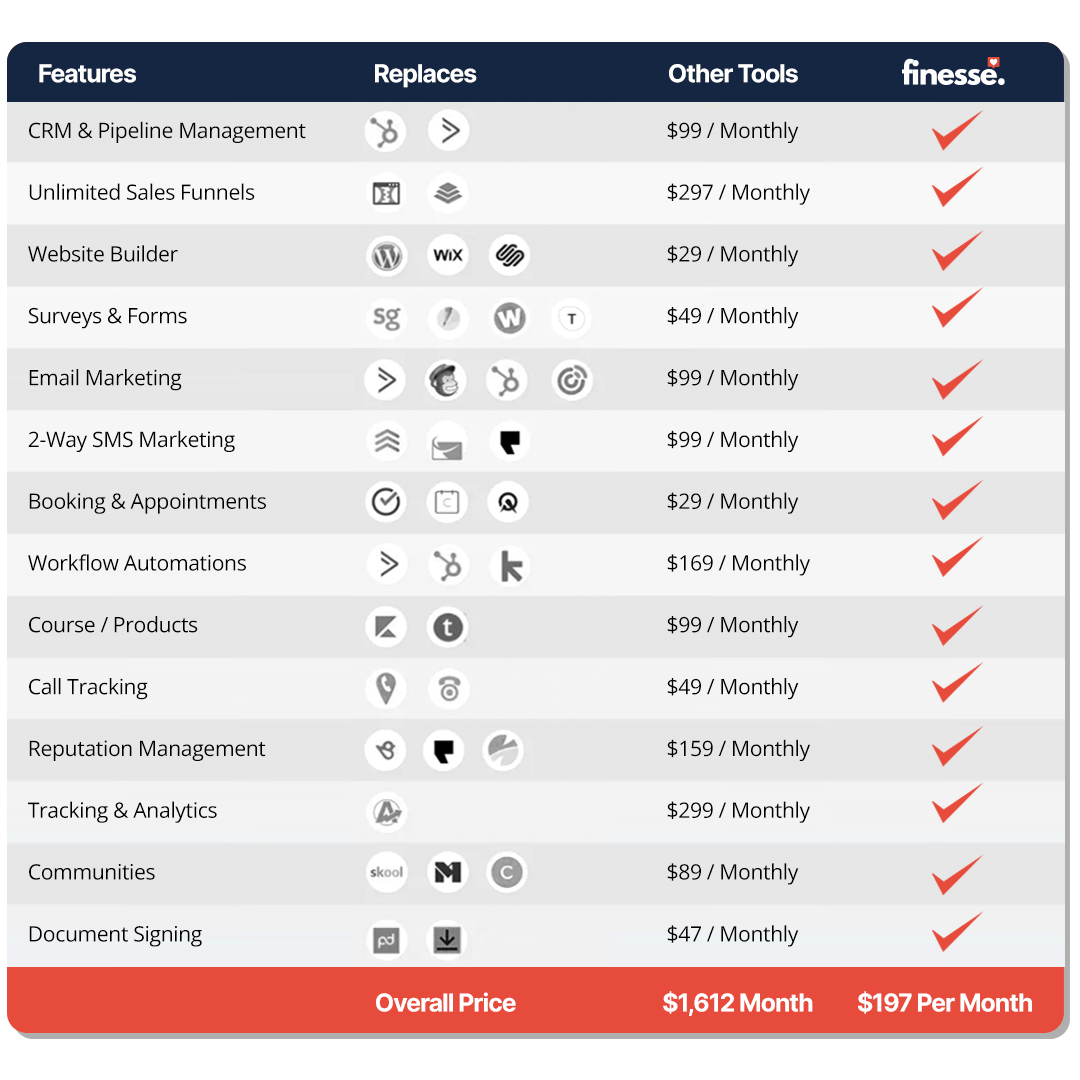
We offer a comprehensive CRM solution that streamlines your business processes, automates customer interactions, and leverages AI to nurture leads.
Finesse Business Suite
Download in the Apple Store & Google Store
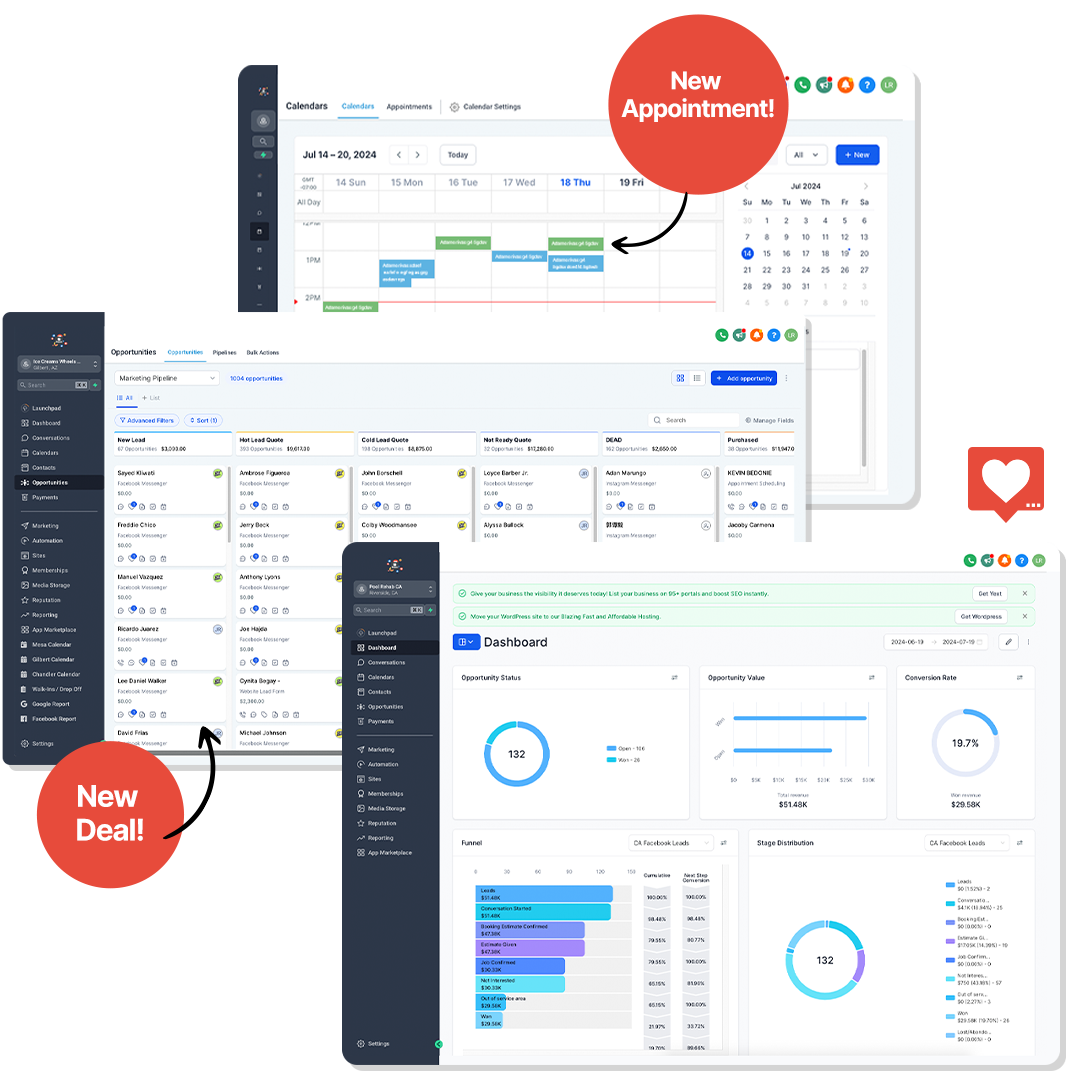
All-in-One CRM for Seamless Management
Centralize Your Customer Data and Interactions
Our CRM consolidates all your customer data and interactions in one place. This ensures seamless management and a 360-degree view of your customers.
Automation to Streamline Your Processes
Automate Repetitive Tasks and Save Time
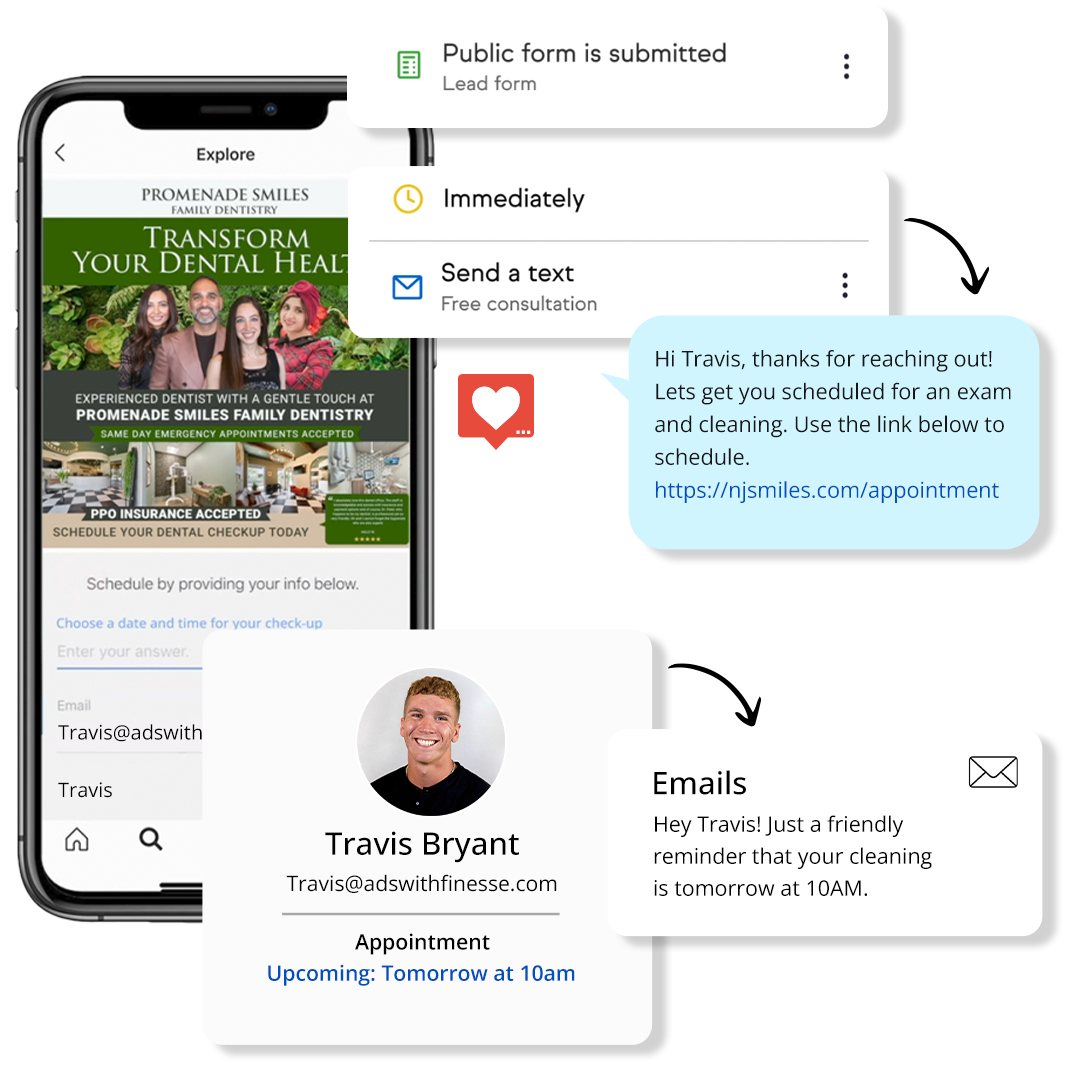
Automate repetitive tasks like follow-ups and data entry to save time. Focus on what matters most while our CRM handles the rest.
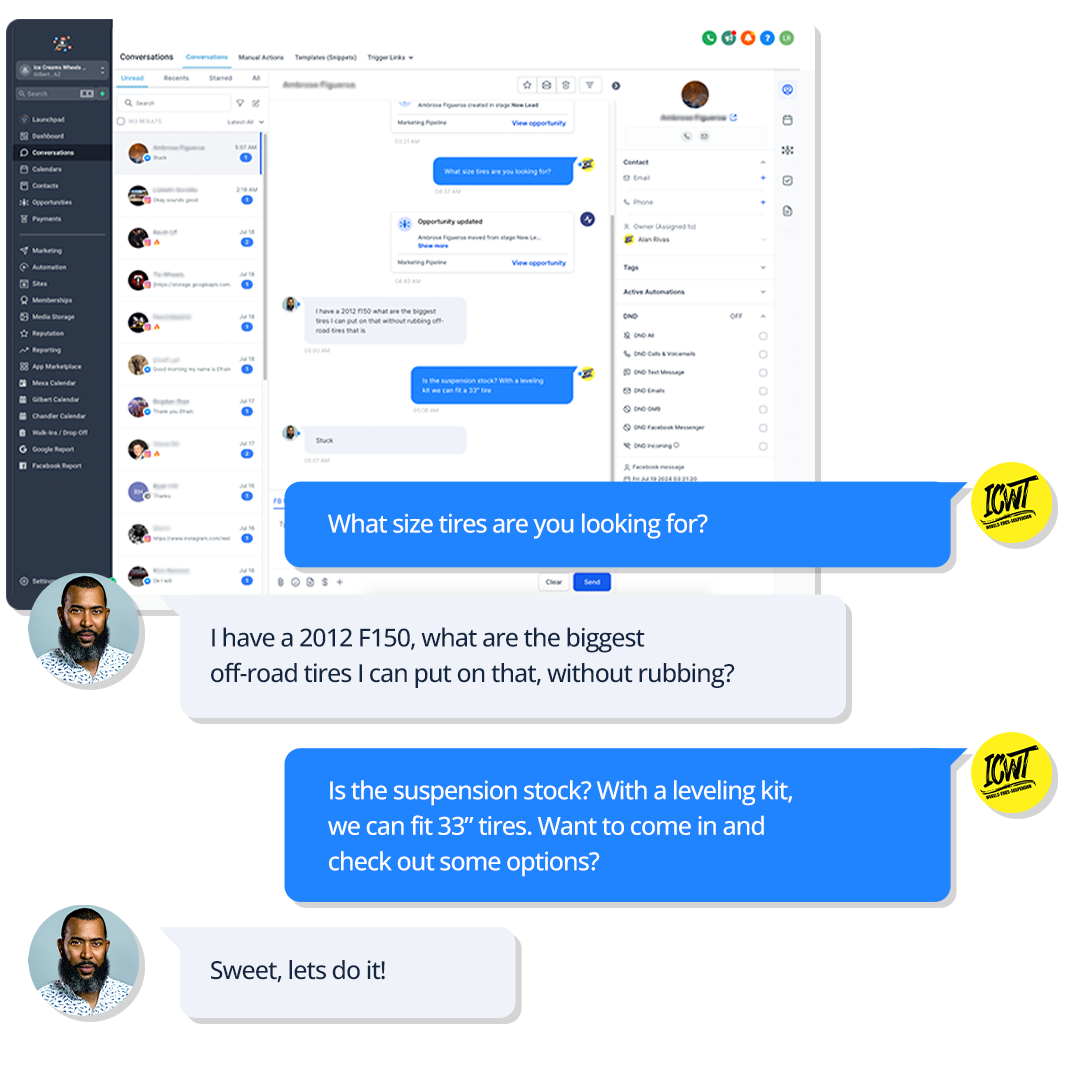
AI-Powered Conversations for Better Engagement
Leverage AI to Nurture Leads and Customers
Our AI-powered conversation tools engage leads and customers with personalized interactions through Facebook & Instagram comments, DMs, Google My Business responses, Email, SMS, website chat, and more. Nurture relationships and drive conversions effortlessly.
Advanced Analytics for Informed Decisions
Gain Insights with Comprehensive Reporting
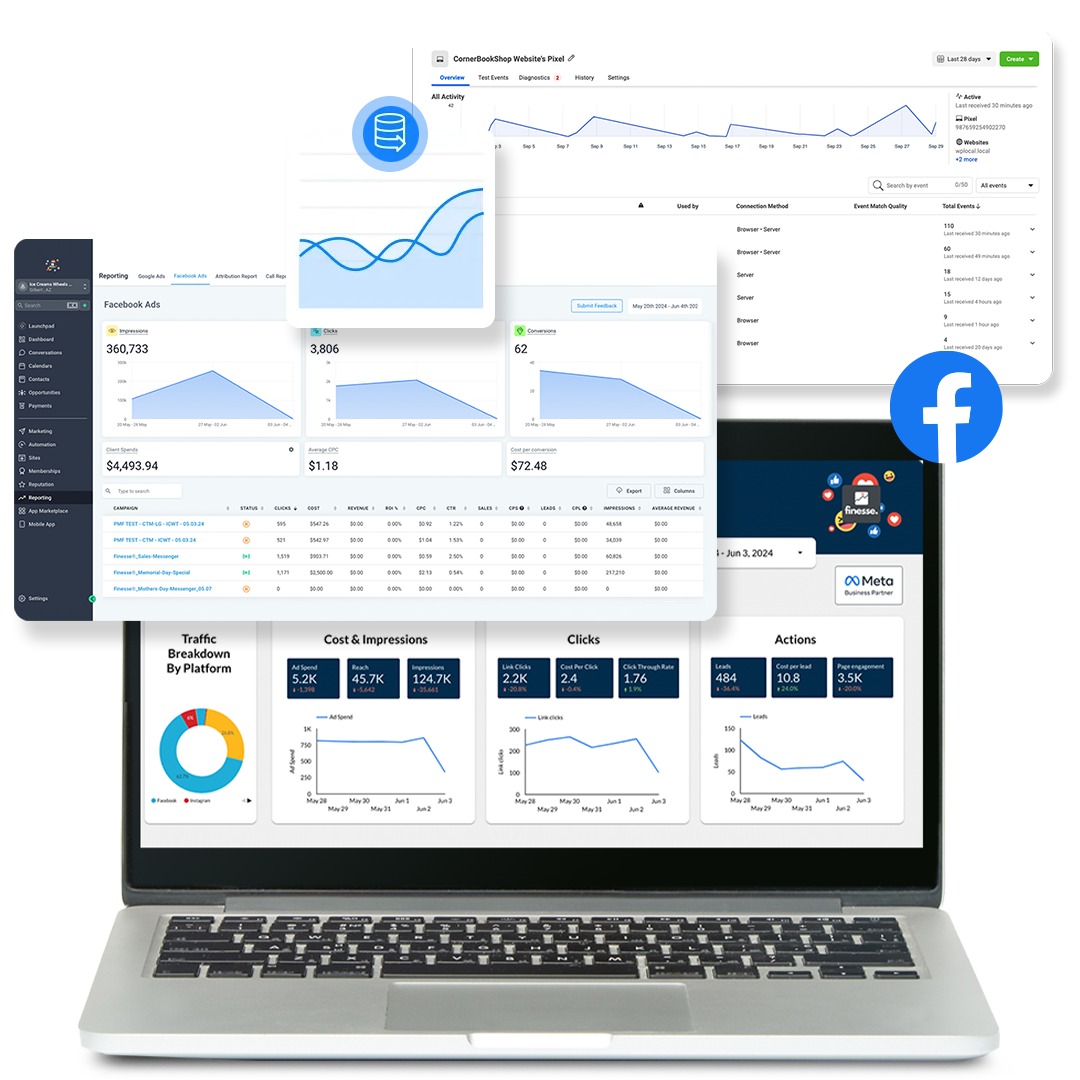
Leverage our advanced analytics to gain insights into your customer interactions. Make data-driven decisions with our comprehensive reporting tools.
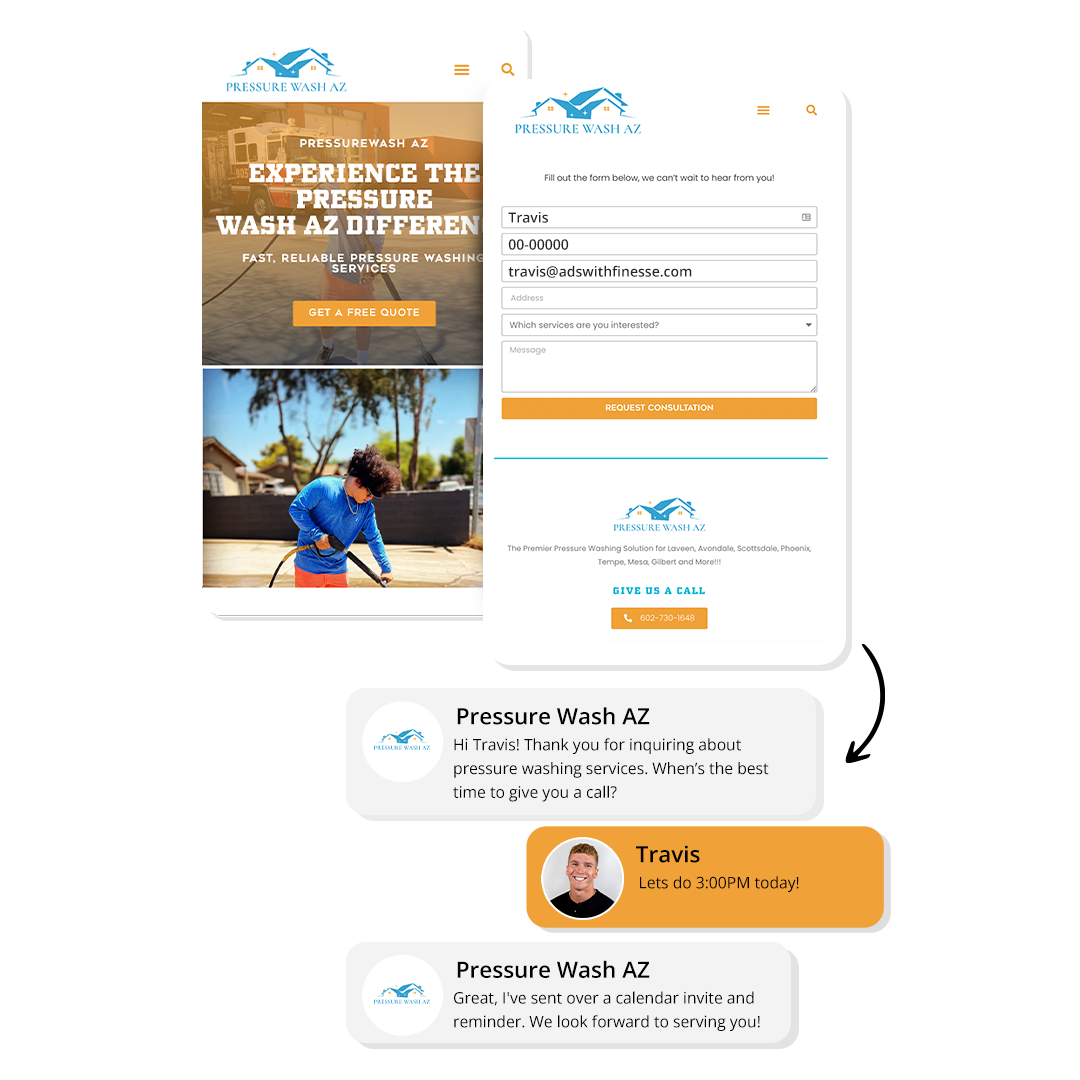
Seamless Integration with Your Tools
Integrate with Your Existing Systems
Our CRM integrates seamlessly with your existing tools and systems. Ensure smooth workflows and enhanced productivity.
Still got questions?
Frequently Asked Questions
What features does the Finesse Business Suite CRM offer?
The Finesse Business Suite CRM offers features like customer data management, task automation, AI-powered conversations, advanced analytics, and seamless integration with existing tools.
How does the automation feature work?
Our automation feature streamlines repetitive tasks such as follow-ups, data entry, and scheduling. This allows you to focus on more strategic activities while the CRM handles routine tasks.
What is the benefit of AI-powered conversations?
AI-powered conversations engage leads and customers with personalized interactions, nurturing relationships and driving conversions. This ensures better engagement and higher customer satisfaction.
How do the analytics and reporting tools help my business?
Our advanced analytics and reporting tools provide insights into customer interactions and campaign performance. This helps you make informed, data-driven decisions to optimize your CRM strategy. This landing page structure ensures that each section is clear, engaging, and informative, with visuals that complement the text and enhance the overall user experience.
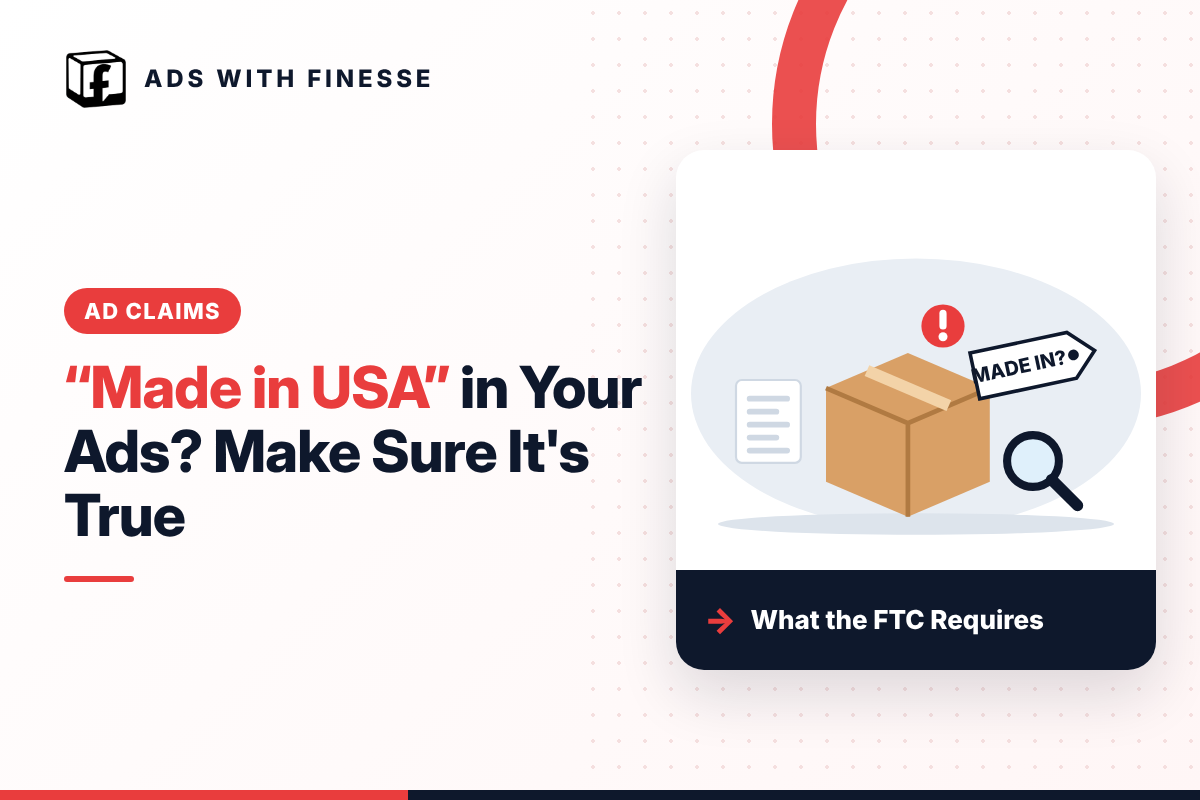
"Made in USA" Claims in Facebook and Instagram Ads: FTC Rules (2026)
"Made in USA" is a powerful selling point, which is exactly why the FTC watches it so closely. On July 6, 2026, the agency sent a new batch of FTC warning letters to several companies over Made in USA claims. One was flagged for saying "Made in Texas." The products appeared to be imported in whole or in significant part, in categories like drums, industrial laser machinery, measuring machines, and e- cigarettes. If you use origin claims in your Facebook ad claims or Instagram product claims, here's what you need to know.
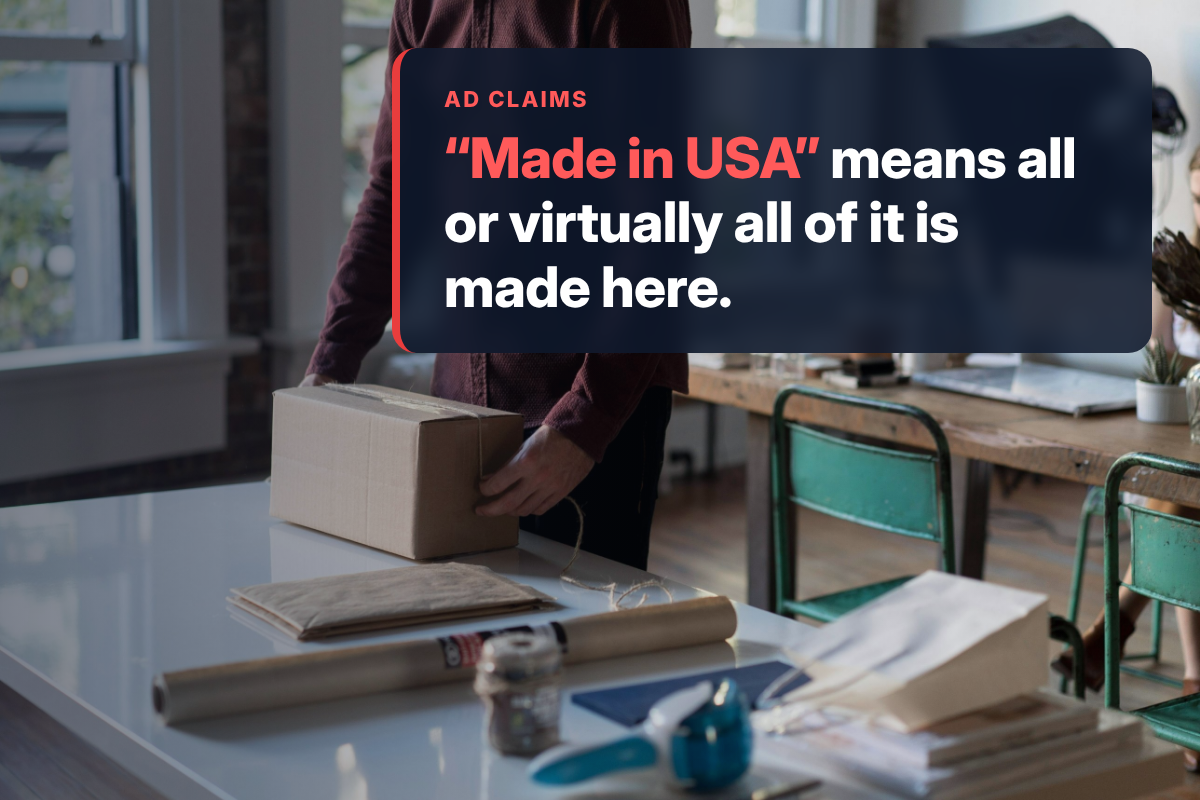
1. The "all or virtually all" standard
Under the FTC Made in USA rule, an unqualified claim means all or virtually all of your product is made in the US. That requires:
Final assembly or processing happens in the US.
The significant parts and processing are US-made.
Any foreign content is negligible.
If your product doesn't meet that bar, you can still use an accurate qualified claim, such as "Assembled in USA," when it's true. Clear qualifiers protect you and still let you highlight the work you do here.
2. Yes, hashtags and emojis count
The FTC judges the overall impression a claim creates, not where it appears. A #MadeInUSA hashtag on an Instagram post can count as a claim, and so can a flag emoji placed right next to your product. Influencer claims count too: if a partner says your product is American-made, that can come back on your brand.
3. Common mistakes to avoid
Using "Made in USA" for products assembled here from mostly imported parts
Letting a flag graphic or hashtag imply an origin you can't support
Assuming state claims like "Made in Texas" are held to a lower bar
Forgetting old posts and product listings that still make the claim
4. The penalties
The Made in USA Labeling Rule carries FTC penalties of up to about $53,088 per violation, a figure adjusted for inflation over time. A warning letter is a signal that the FTC sees a potential violation and expects you to fix it.
5. How to protect your business
1. Find every origin claim in your ads, captions, hashtags, product pages, and influencer posts.
2. Test each product against the "all or virtually all" standard.
3. Qualify or remove any claim you can't fully back up.
4. Brief influencers and affiliates on what they can and can't say.
5. Keep proof on file, like supplier and manufacturing records.
6. Build a check into your process so new posts get reviewed before they go live.
6. What to do if you get a warning letter
Don't ignore it. Review the products and claims it mentions, pull or fix anything you can't support, and update every place the claim appears, including old posts and listings. Keep a record of what you changed and when. If the letter raises questions you're unsure about, talk to a lawyer before you respond.
7. Why it matters for your ad account
Meta doesn't allow misleading ad claims either. Inaccurate Made in USA advertising can lead to rejected ads, and repeated rejections can put your ad account at risk. Getting your claims right protects you on both fronts.
Conclusion:
Marketing American made products is a great way to stand out, as long as your claims are accurate. Check every ad, caption, and hashtag against the FTC standard, use "Assembled in USA" when that's the honest version, and keep your records handy.
Check out our blog and services at adswithfinesse.com.


© 2026 Ads with Finesse | Terms & Conditions | Privacy Policy
Ads With Finesse continually stays up to date with Meta & Google marketing changes related to policies, tools, products and more.


