For Business Owners & Agencies
Facing Disruptions With Their Advertising
There are several reasons why Facebook suspends accounts, and two main causes could have led to this suspension.
You have violated or appear to have broken a Facebook Ads Policy or something in their terms and conditions.
There is something suspicious in the behavior of your account, be it billing or otherwise.
The process seems quite simple, but the reasons are endless when broken down to the policy level. For most, finding the offense is like finding a needle in a haystack. To explain further, I have listed below the most common suspension types in no particular order concerning Facebook Ads.
The list of items below could be the reason Facebook suspended your account.
Although these aren't all the reasons, the ones listed are the most common. The reasons Facebook gives can often be too vague and can cover the account or site violations. Attempting to reinstate alone can often take time and effort.
Facebook is more apt to believe its system than the one that was suspended by it. We aim to determine why the system suspended you and help make it right.
When appealing, remember that there must be a valid reason for the violation and why it happened in the first place to ensure you won't appear as a repeat offender.
With a vast knowledge of how Facebook runs, their policy, how they think, and how the ads system scans, you will quickly get reinstated. Take the time to read Facebook's policies and run a clean account. Choose the safe option if you need help with what goes with and against the policies.
Appealing alone can often be frustrating because Facebook offers little help. Since people are looking to figure out Facebook's algorithm, they are strict about what information is directly given out.
Violating Facebook’s Ad Policies:
This includes promoting illegal products or services, misleading advertising, and infringing on intellectual property rights.
Suspicious Activity:
Activities such as logging in from different IP addresses, changing payment methods frequently, or drastic budget increases can trigger Facebook’s security systems.
Unusual Payment Activity:
Issues like late payments, using a payment method that doesn’t match the account’s location, or having multiple failed payment attempts can lead to suspensions.
High Negative Feedback:
Receiving a high percentage of negative feedback from users on your ads can result in account suspension.
Repeated Policy Violations:
Continuously violating Facebook’s ad policies, even after warnings, can lead to permanent account disabling.
Unclear or Misleading Landing Pages:
Ads that lead to landing pages that are unclear, misleading, or violate Facebook’s guidelines can cause account suspensions.
Using Prohibited Content:
Ads containing sensational, shocking, or disrespectful content, or those that imply personal attributes, can be flagged and lead to account disabling.
Multiple Accounts:
Managing multiple Facebook accounts, especially if they are used to manage the same business page, can result in suspensions due to policy violations.
Automated System Flags:
Facebook’s automated systems may flag accounts for various reasons, including unusual patterns or activities that seem suspicious, even if they are legitimate.
Failure to Comply with Regional Guidelines:
Ads that do not comply with specific regional guidelines, such as those for regulated products like tobacco or gambling, can lead to account suspensions.
Facebook believes it's up to you to figure out why you got suspended and expects you to fix it alone. Going through your site alone to locate the issue can be very time-consuming, as well as Facebook's support pages which can often be hard to understand for those who aren't advertising experts. No matter the suspension, be cautious not to do anything to compound the problem. Everything done from the point of rest onward can permanently mark your account and do more harm than good for your reinstating.
We are experts with Facebook's policies and an excellent reinstating source. Our fees are fair, response time is fast, easy to work with, and we offer support if a suspension occurs again. The bottom line is that we have the speed, ability, and experience that make us a great choice. We know how to fix Facebook ads suspensions for you!
2 Column
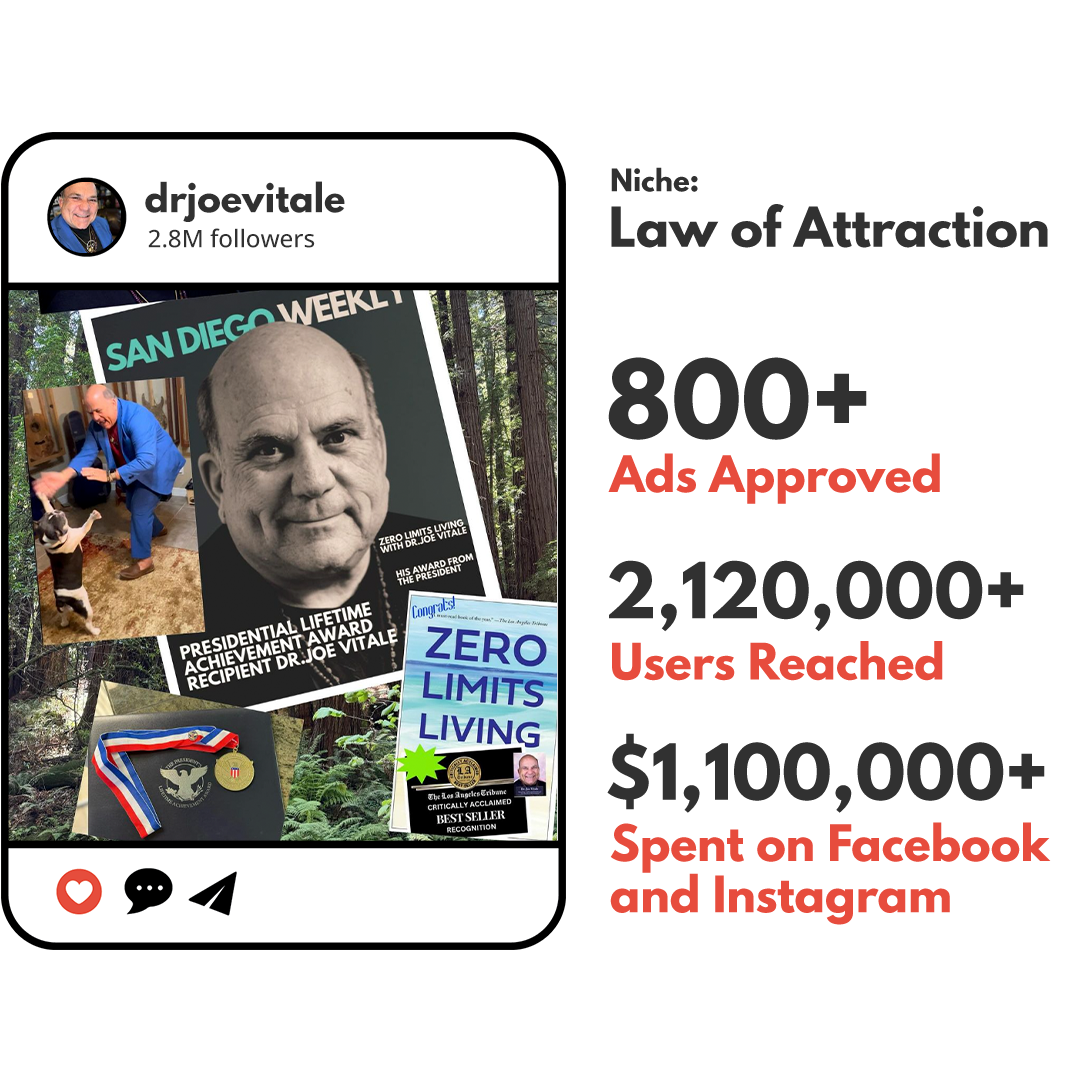
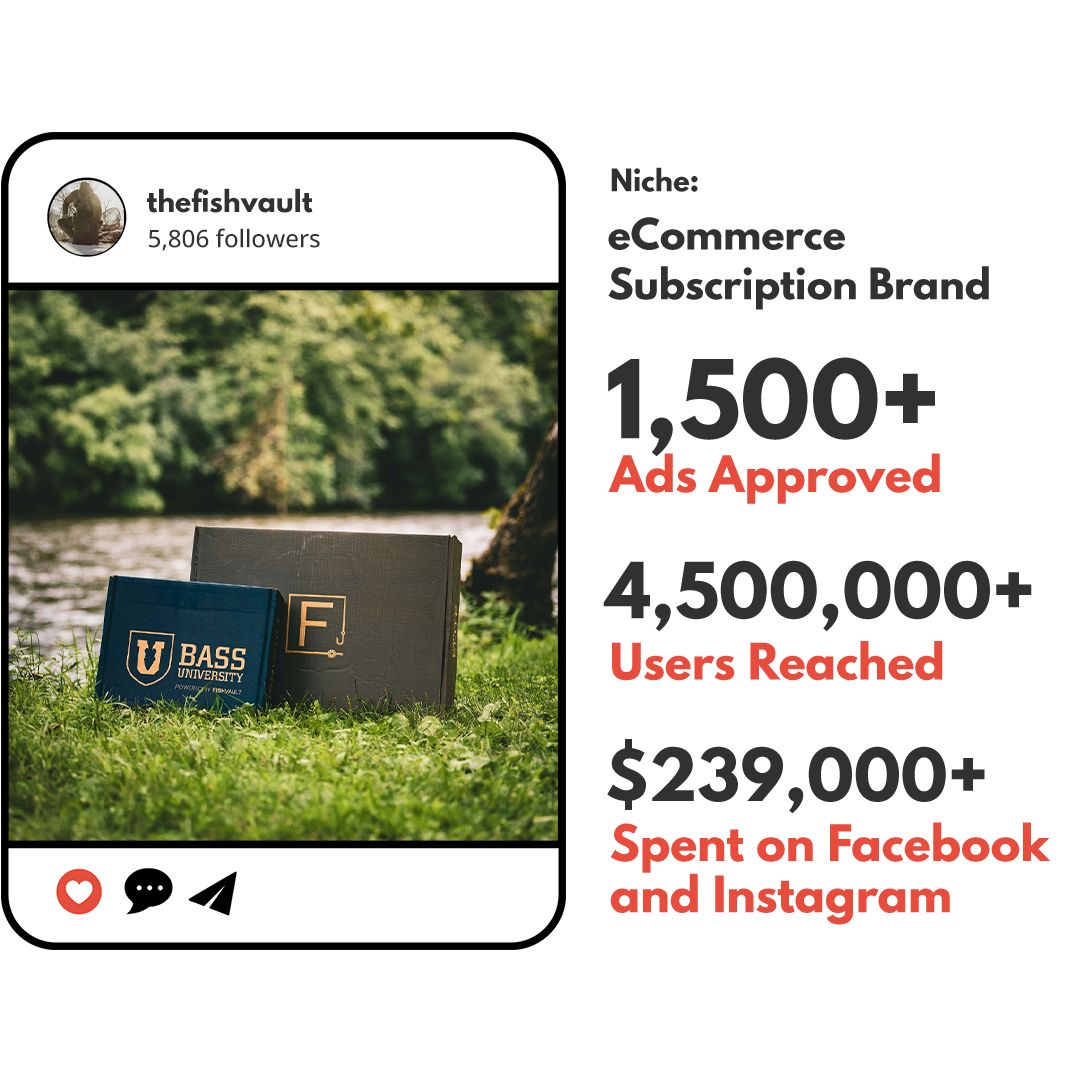

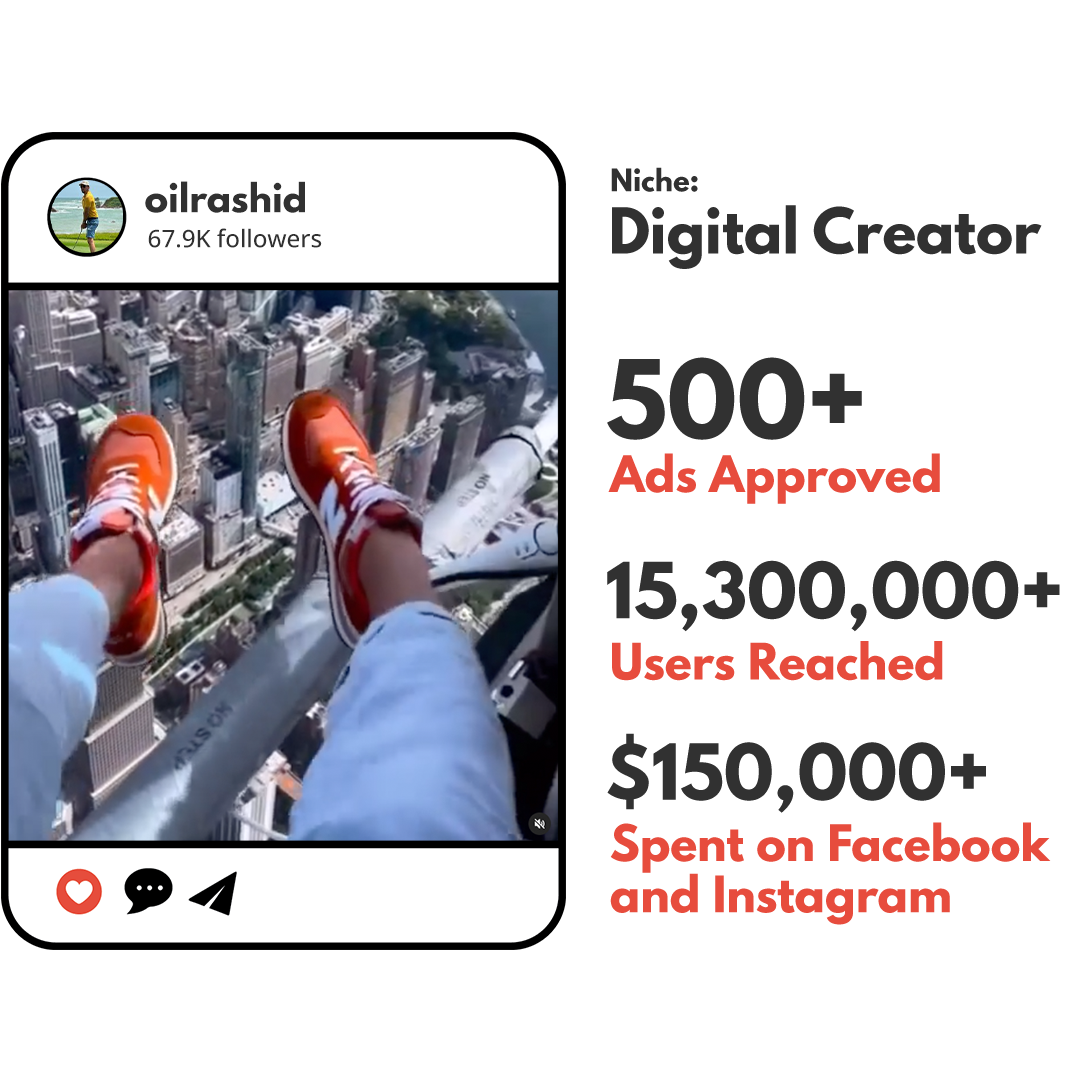
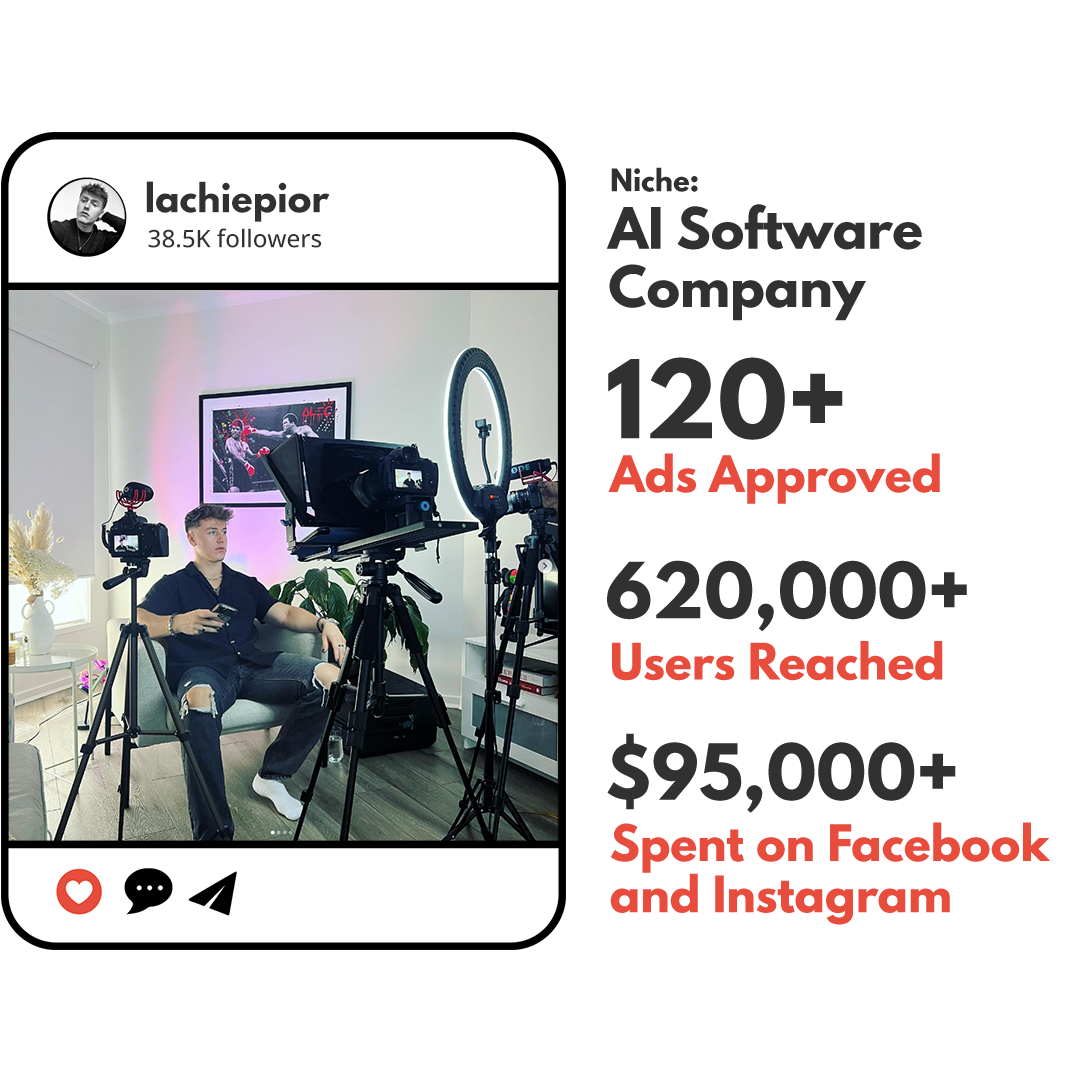
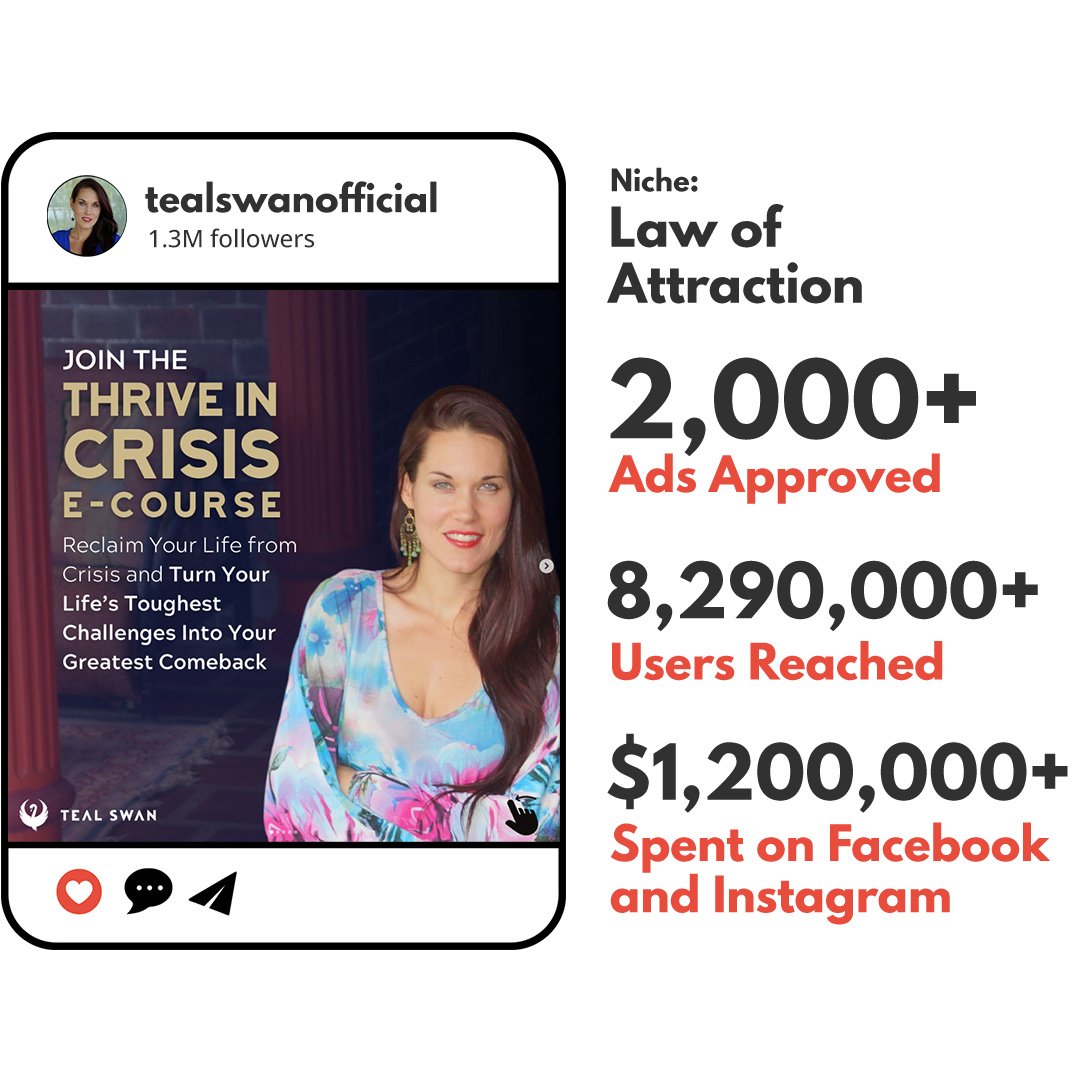
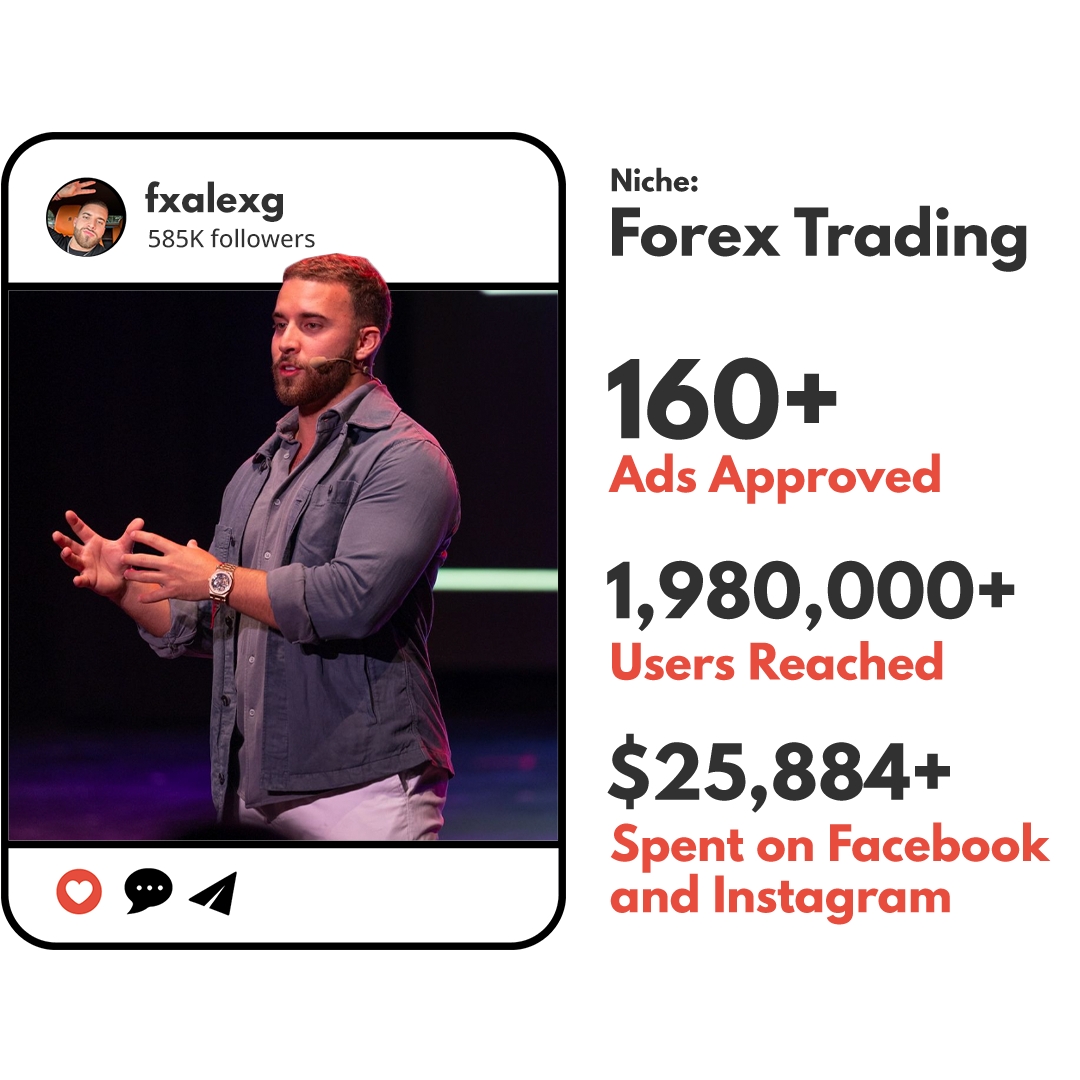
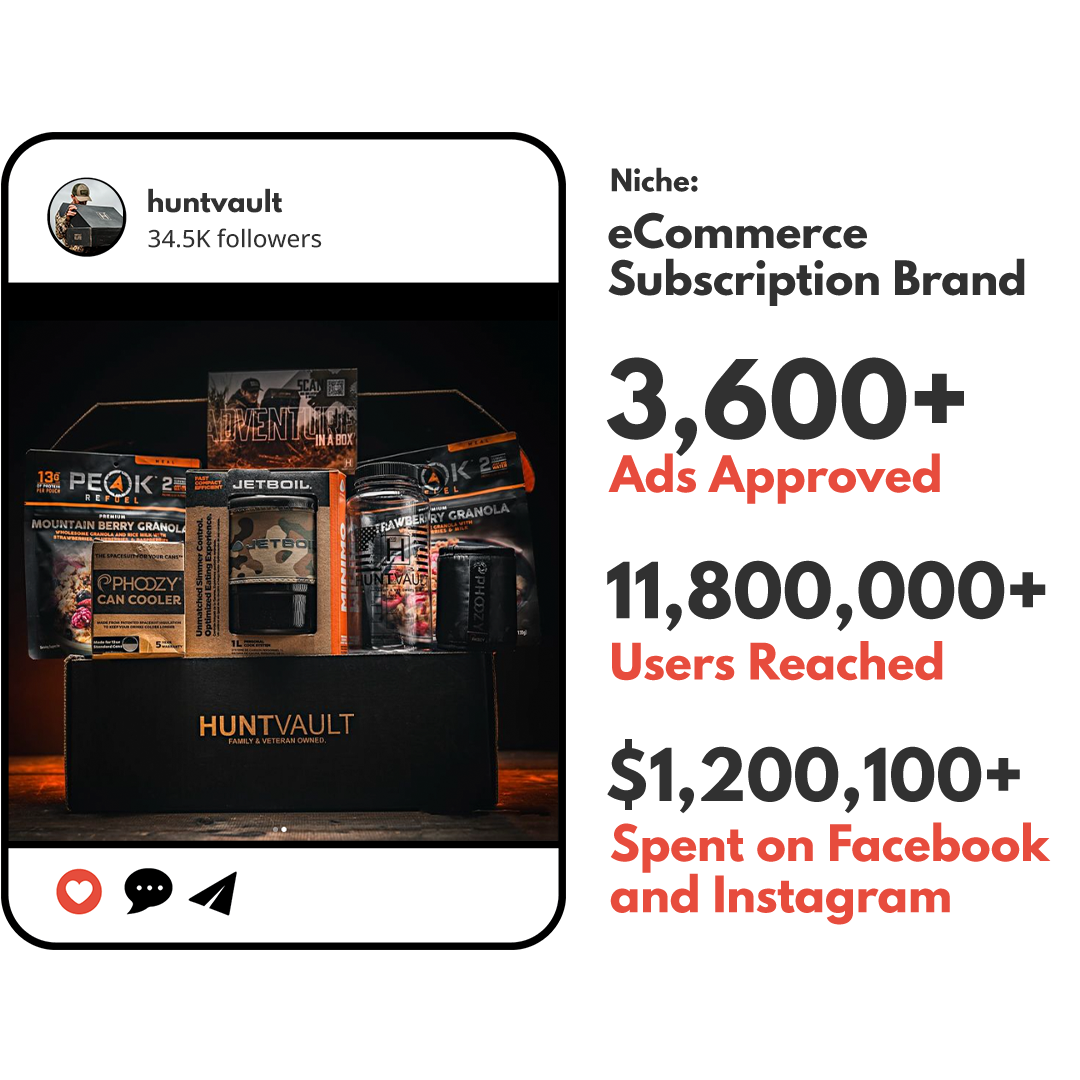
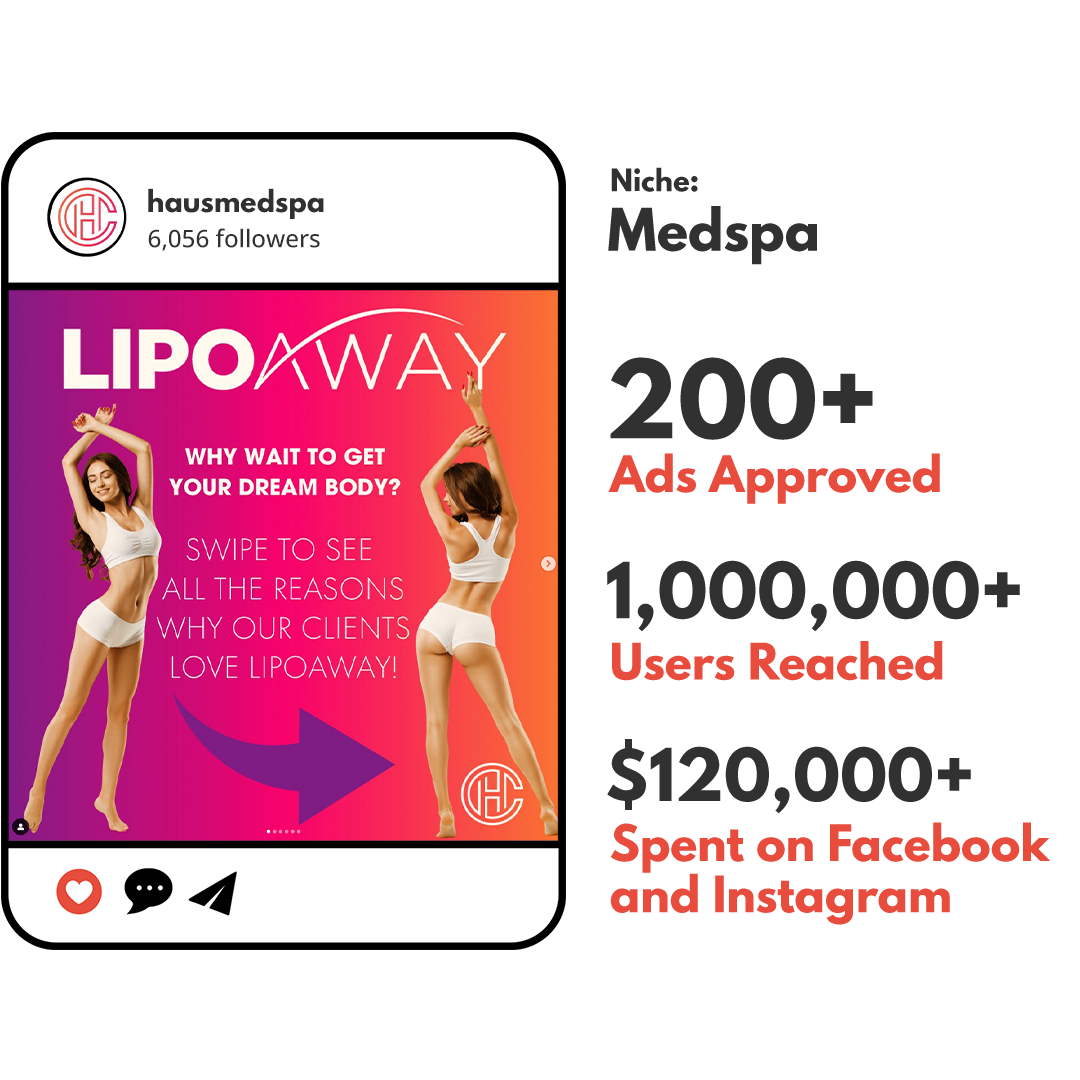
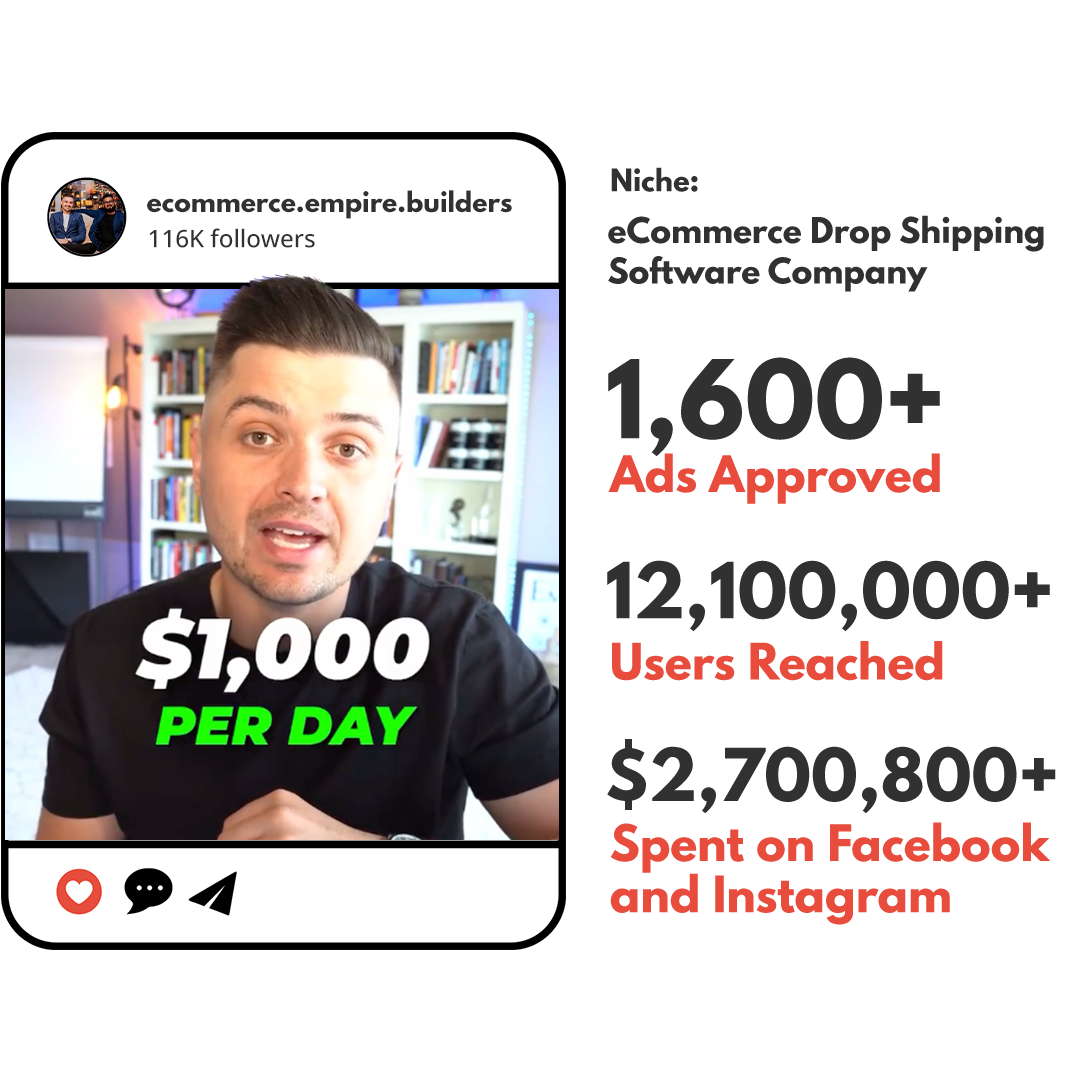
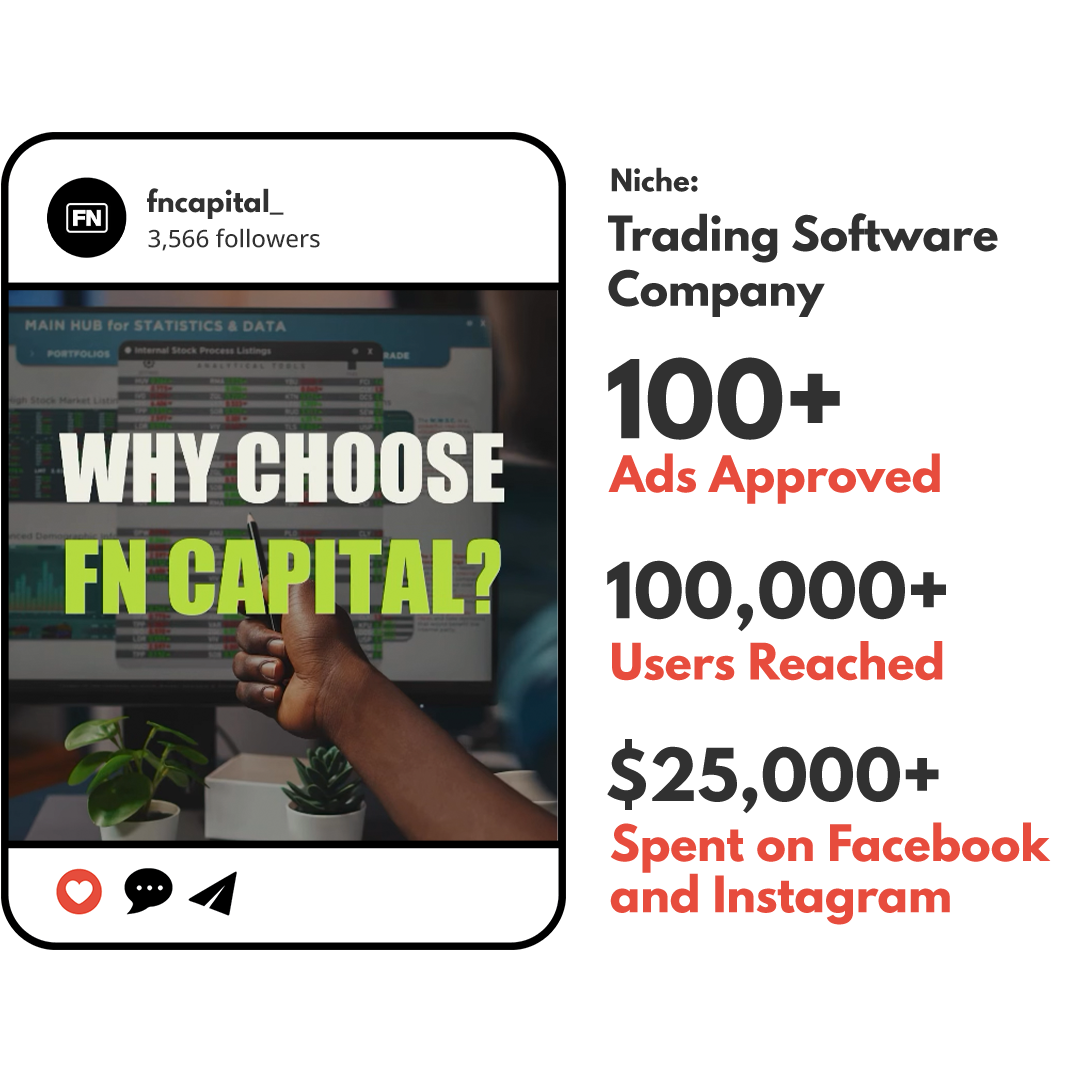
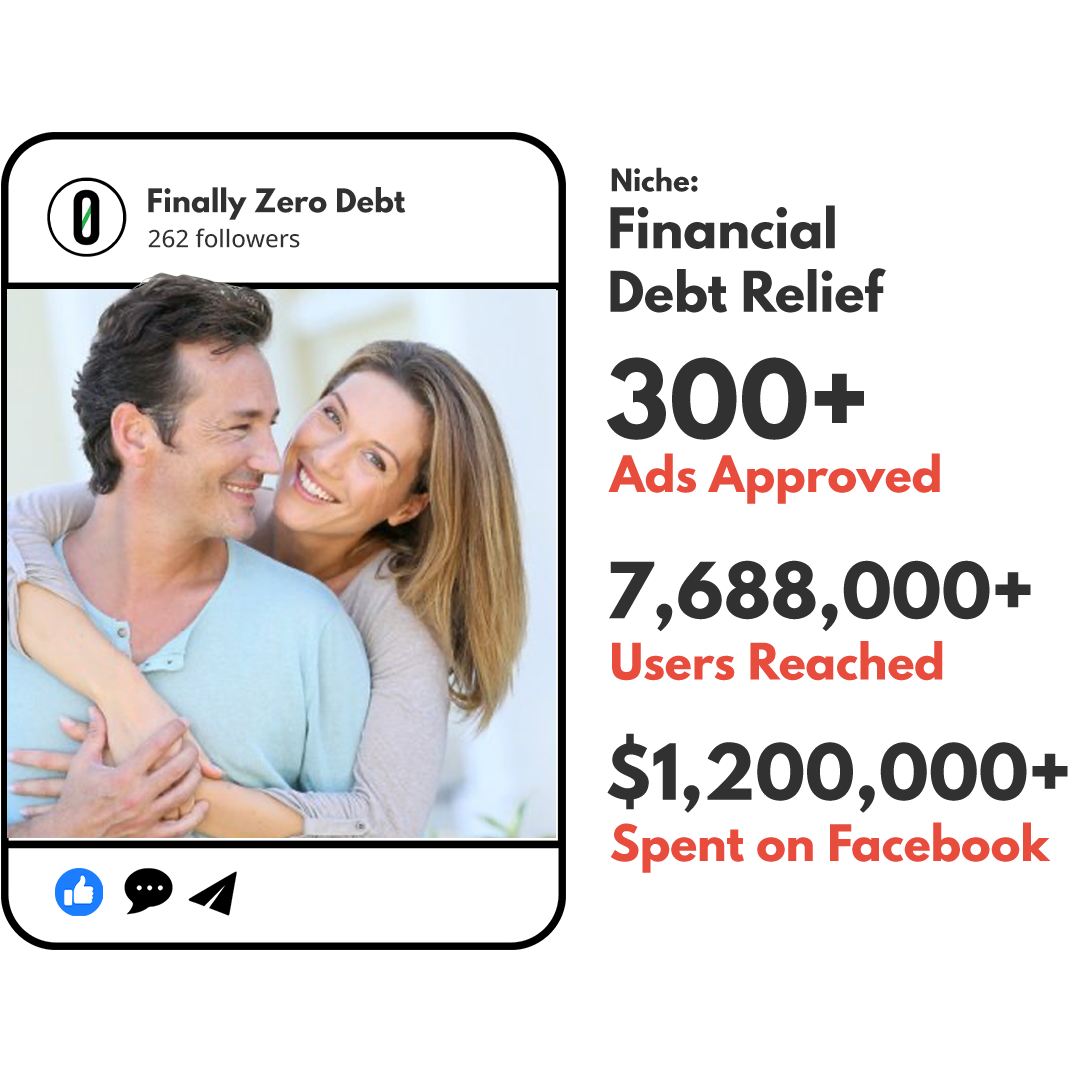
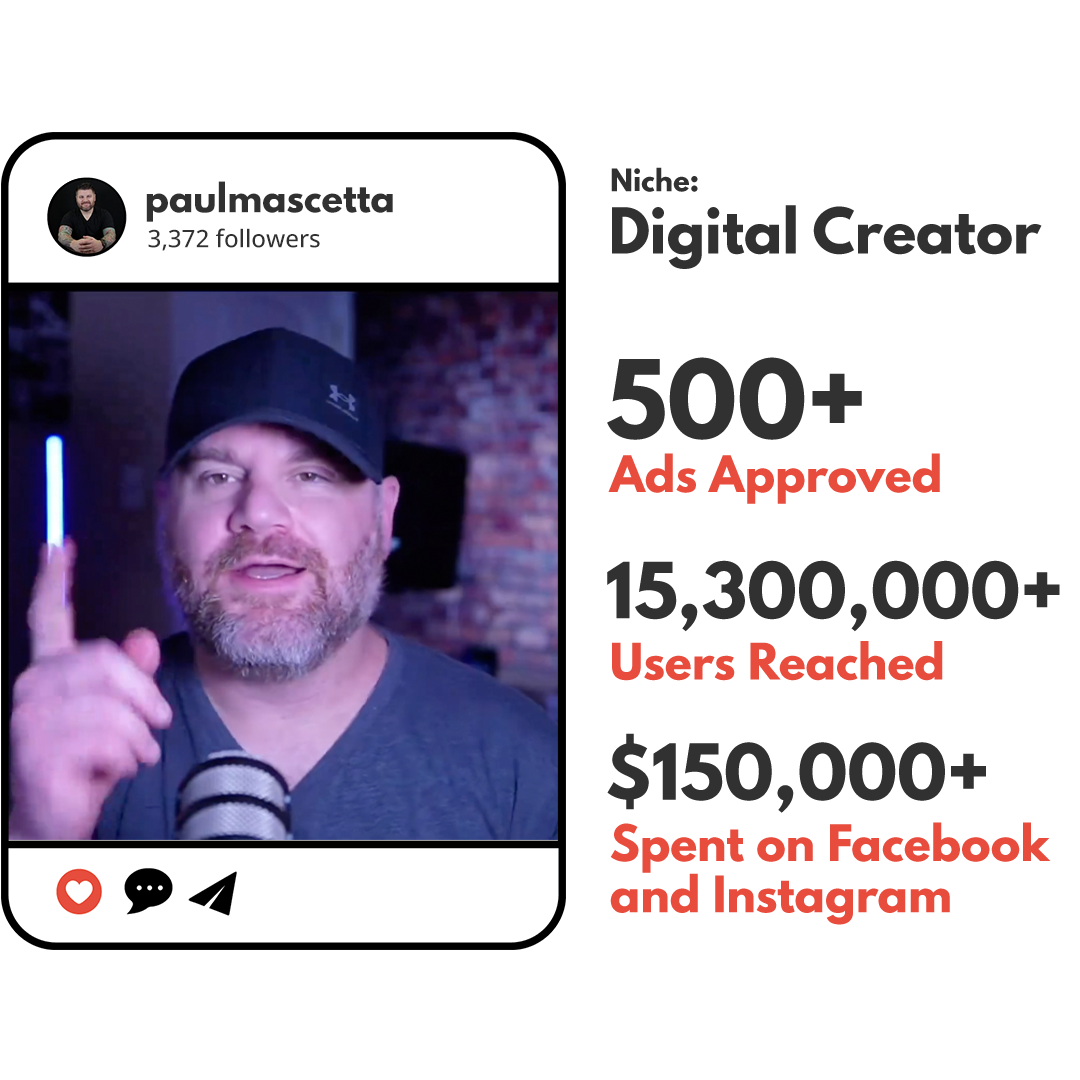
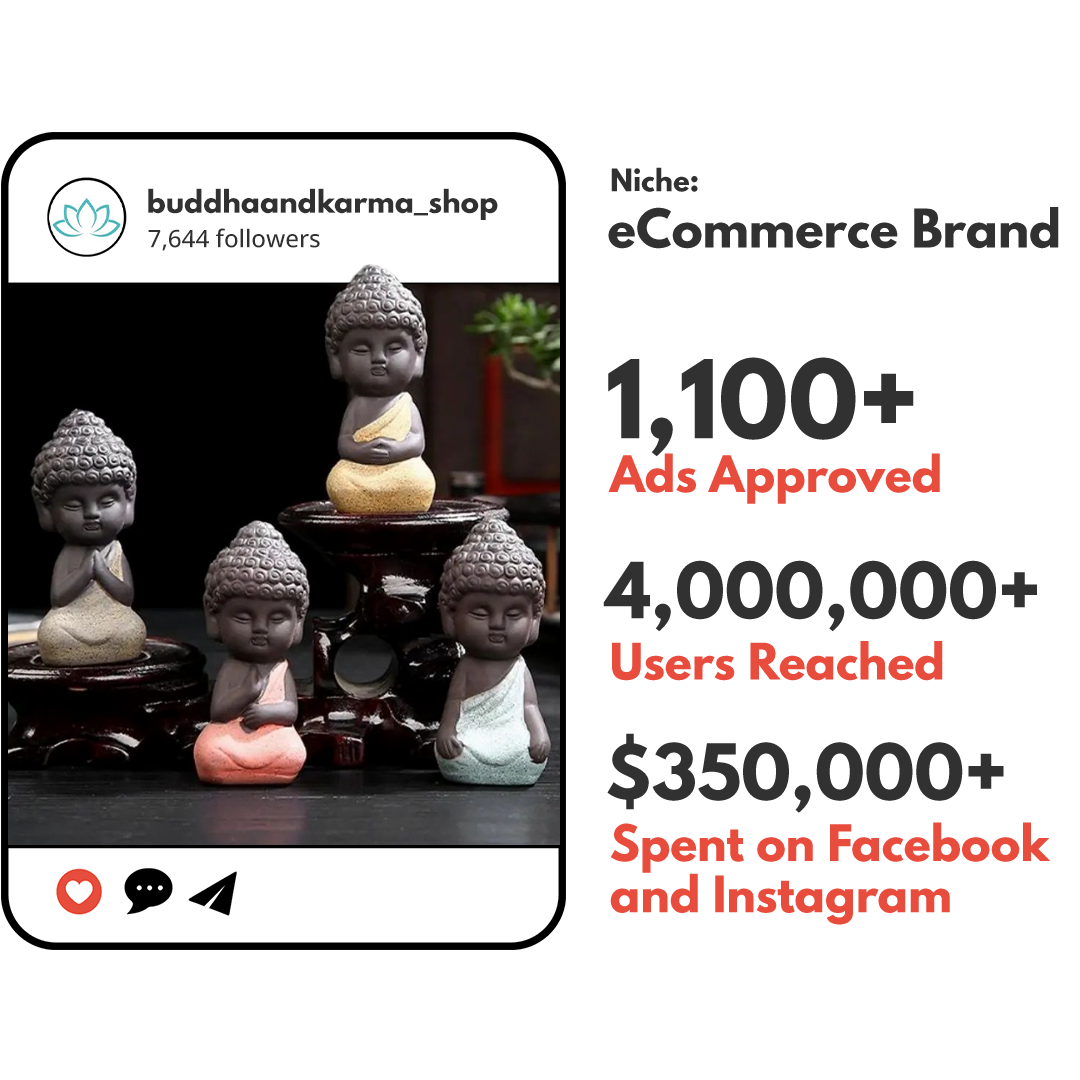
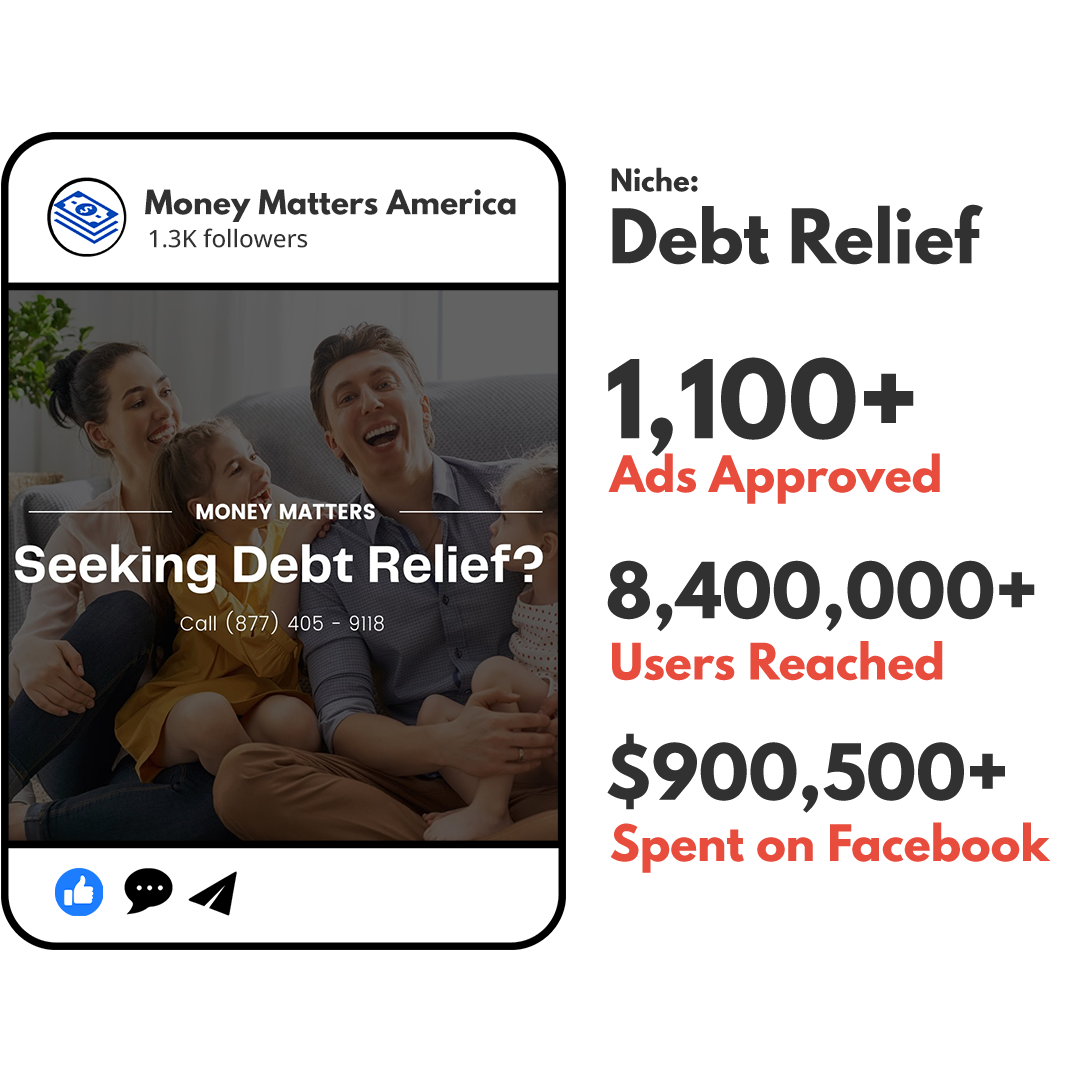
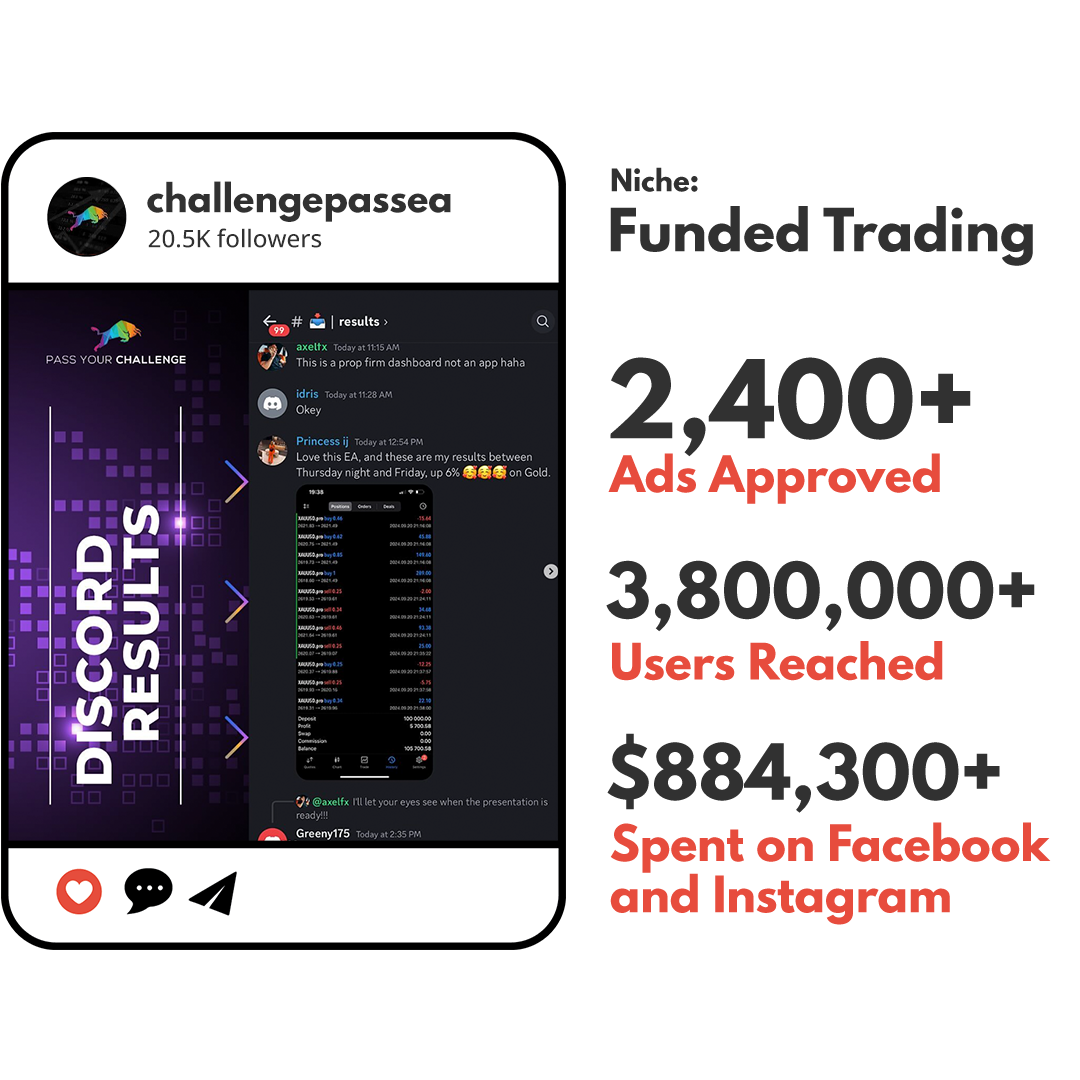
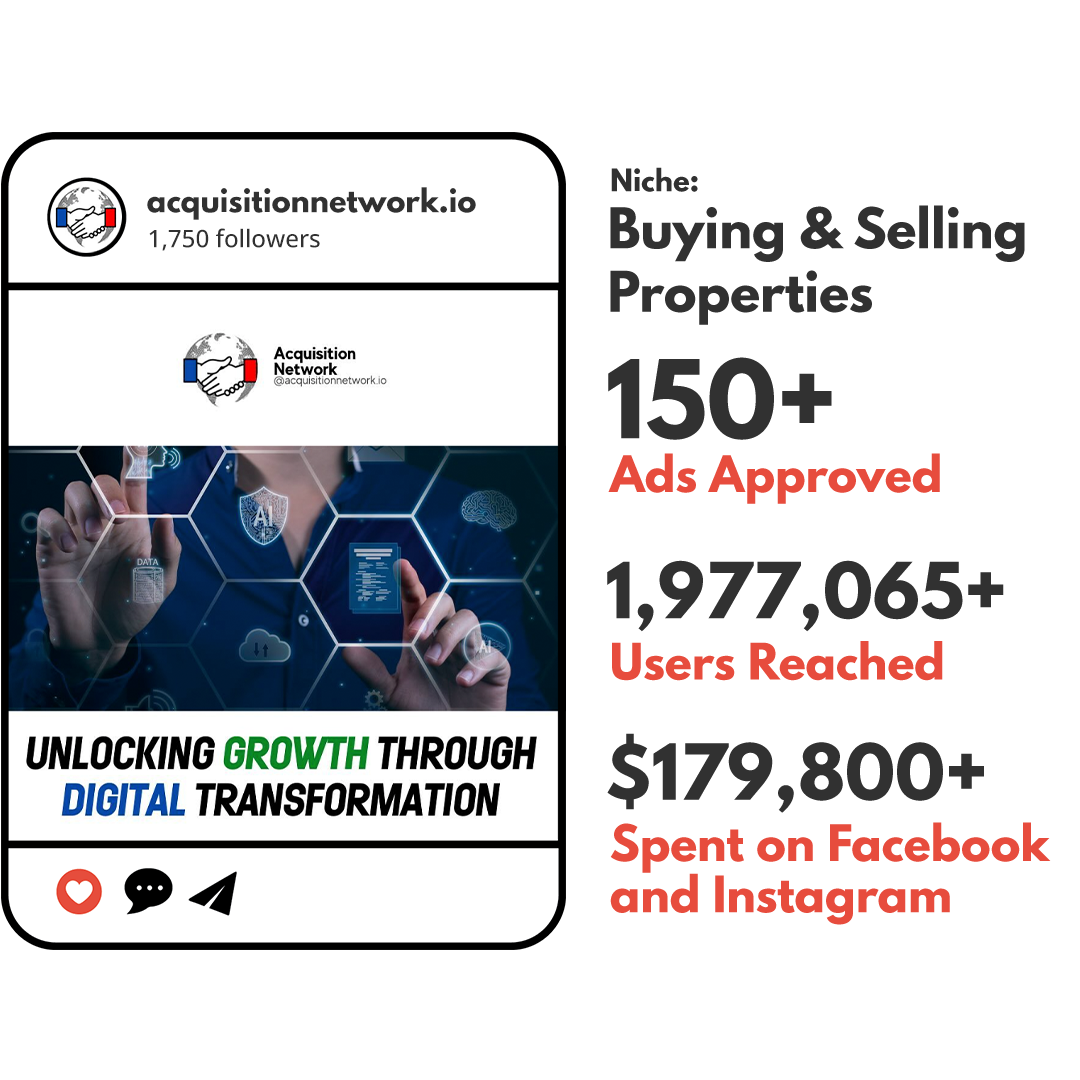
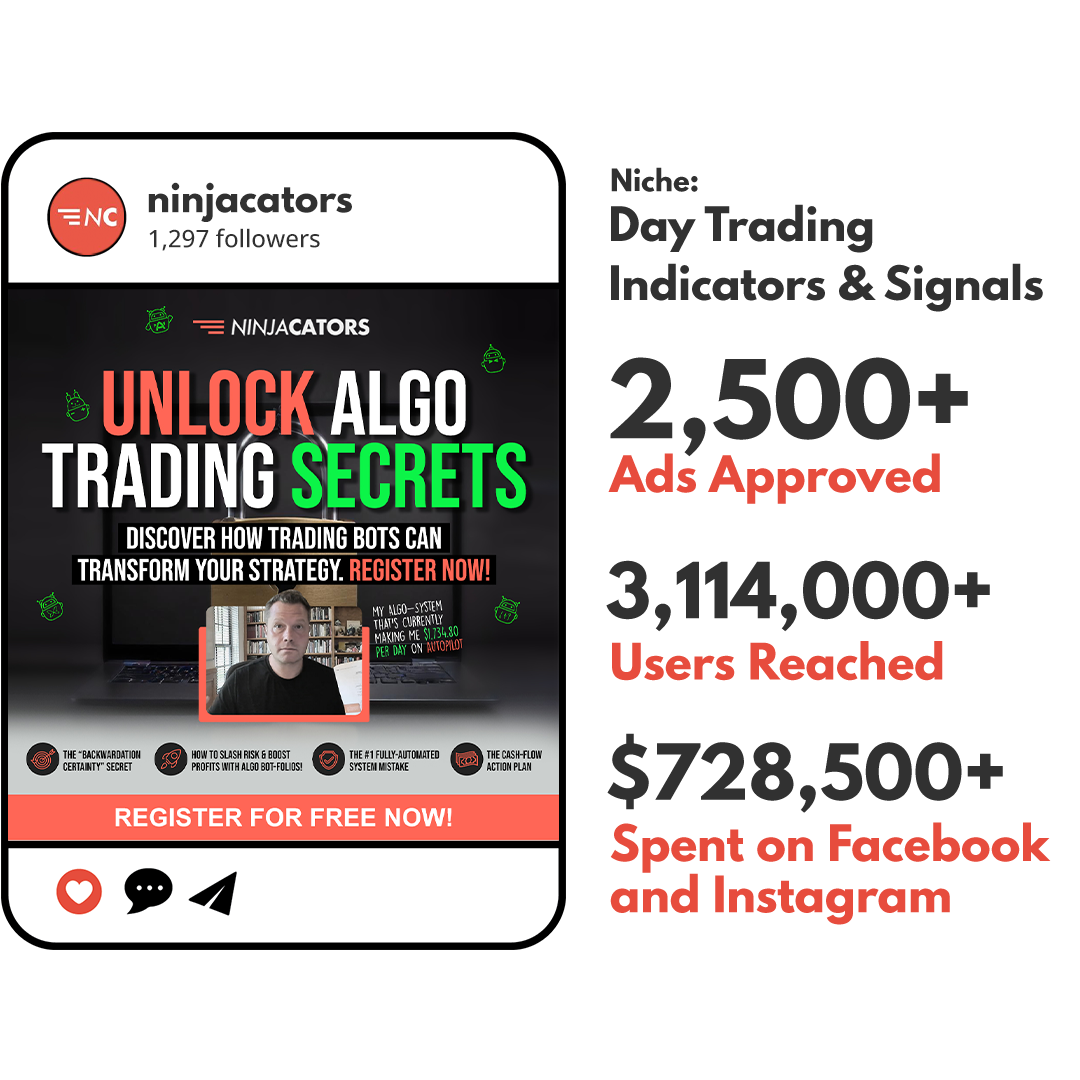
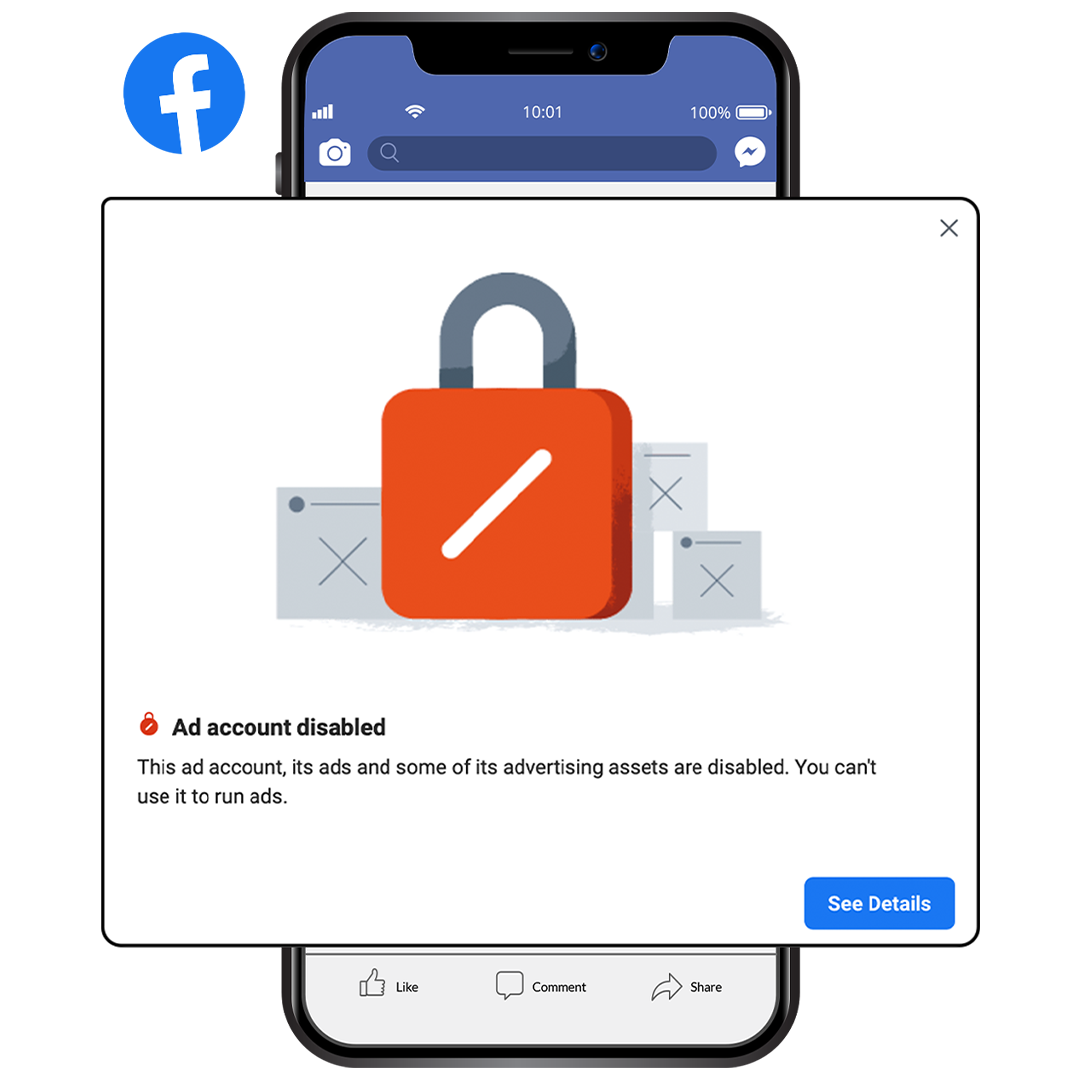
Facebook Agency Ad Accounts
Say goodbye to daily spend limits, account disables, restrictions, and ad rejections.
Unlimited Ad Spend: Scale your campaigns without worrying about daily limits.
Seamless Compliance: Stay compliant with Facebook's policies and avoid disruptions with our support.
Expert Support: Get guidance and support from our team for operational, API & Technical Support
Data-Driven Performance: Harness the power of data for optimal ad performance.

Maximize Your Google Ads ROI: Secrets Marketers Often Overlook

Unlocking Google Ads ROI: What Most Marketers Overlook
Google Ads can be one of the most powerful tools in your digital marketing arsenal, but only if it’s used correctly. While many marketers focus on clicks, impressions, and ad spend, they often miss the bigger picture: Google Ads ROI.
Understanding and improving your Google Ads return on investment isn’t just about lowering your cost-per-click or increasing conversion rates. It’s about aligning your campaigns with business goals, measuring results the right way, and fixing the overlooked elements that truly move the needle.
In this article, we’ll explore what most marketers overlook in Google Ads ROI, how to avoid these mistakes, and proven strategies to increase ROI from Google Ads campaigns.
1. Measuring the Wrong Metrics
One of the most common mistakes marketers make is focusing on surface-level metrics like CTR (click-through rate) or impressions. While these can indicate campaign health, they don’t directly measure Google Ads ROI.
Instead, you should focus on how to calculate ROI in Google Ads by tying campaign costs to actual revenue. This includes:
Tracking conversions accurately (not just leads, but qualified ones)
Assigning revenue values to actions (e.g., purchases, form submissions)
Measuring customer lifetime value (CLTV) if applicable
Without accurate conversion tracking and attribution, your ROI analysis is incomplete.
2. Not Aligning Campaigns With Business Goals
Another overlooked factor in Google Ads performance is goal misalignment. You may be optimizing for website traffic while your business cares about booked appointments. You might be running a brand awareness campaign but expecting immediate sales.
To improve Google Ads ROI, start by asking:
What is the primary business objective for this campaign?
Is the conversion action being tracked aligned with that goal?
Are we optimizing toward that goal with the right bidding strategy?
Proper goal alignment ensures that your ads aren’t just driving clicks, but driving business results.
3. Ignoring Post-Click Experience
Many marketers spend hours crafting the perfect Google Ad, only to send users to a generic homepage or poorly designed landing page. This is one of the most overlooked factors in Google Ads performance.
A poor post-click experience can destroy even the best-performing ad. To maximize Google Ads effectiveness, ensure your landing pages:
Load fast on both desktop and mobile
Match the ad’s message and intent
Have a clear, compelling call-to-action (CTA)
Are optimized for conversions
A high-performing landing page can significantly increase ROI from Google Ads campaigns without increasing your ad budget.
4. Underutilizing Audience Targeting and Segmentation
Smart audience targeting is critical to improving your PPC return on investment. Yet many marketers only target broad or default audiences.
Use tools like:
Customer Match to retarget past buyers
Remarketing lists to engage non-converters
In-market audiences to reach users actively researching solutions
Segmentation also allows for tailored messaging, which can dramatically improve engagement and conversions.
5. Forgetting to Test and Optimize Regularly
Google Ads is not a "set it and forget it" platform. Campaigns require ongoing testing and optimization to maintain and improve performance.
Split test ad copy, try different bidding strategies, rotate landing pages, and regularly review your Google Ads campaign performance data. Use GA4 to understand user behavior beyond the click and uncover hidden optimization opportunities.
Conclusion:
If your Google Ads campaigns aren’t generating the returns you expect, you may be measuring the wrong things or ignoring key performance drivers. By focusing on business-aligned goals, refining your targeting, enhancing your landing pages, and tracking the right metrics, you’ll be better equipped to improve Google Ads ROI.
Most importantly, don’t overlook the power of consistent testing and strategic iteration. Maximizing your Google Ads return on investment isn’t about one big change, it’s about refining all the small things most marketers miss.
How Ads with Finesse Can Help You
At Ads with Finesse, we specialize in crafting ad campaigns that highlight the best customer experiences, ensuring your audience connects with your brand on an emotional level. Our team carefully selects authentic, high-impact reviews and seamlessly integrates them into your ad strategy.
Learn more about our services today and turn your Google Ads into your most powerful marketing tool with Ads with Finesse.
Let’s create ads that resonate, convert, and build trust.
Check out our blog and services at adswithfinesse.com.


© 2025 Ads with Finesse | Terms & Conditions | Privacy Policy
Ads With Finesse continually stays up to date with Meta & Google marketing changes related to policies, tools, products and more.


