Maximize Your Reach, Engagement, and Conversions
Social Media Advertising with Finesse
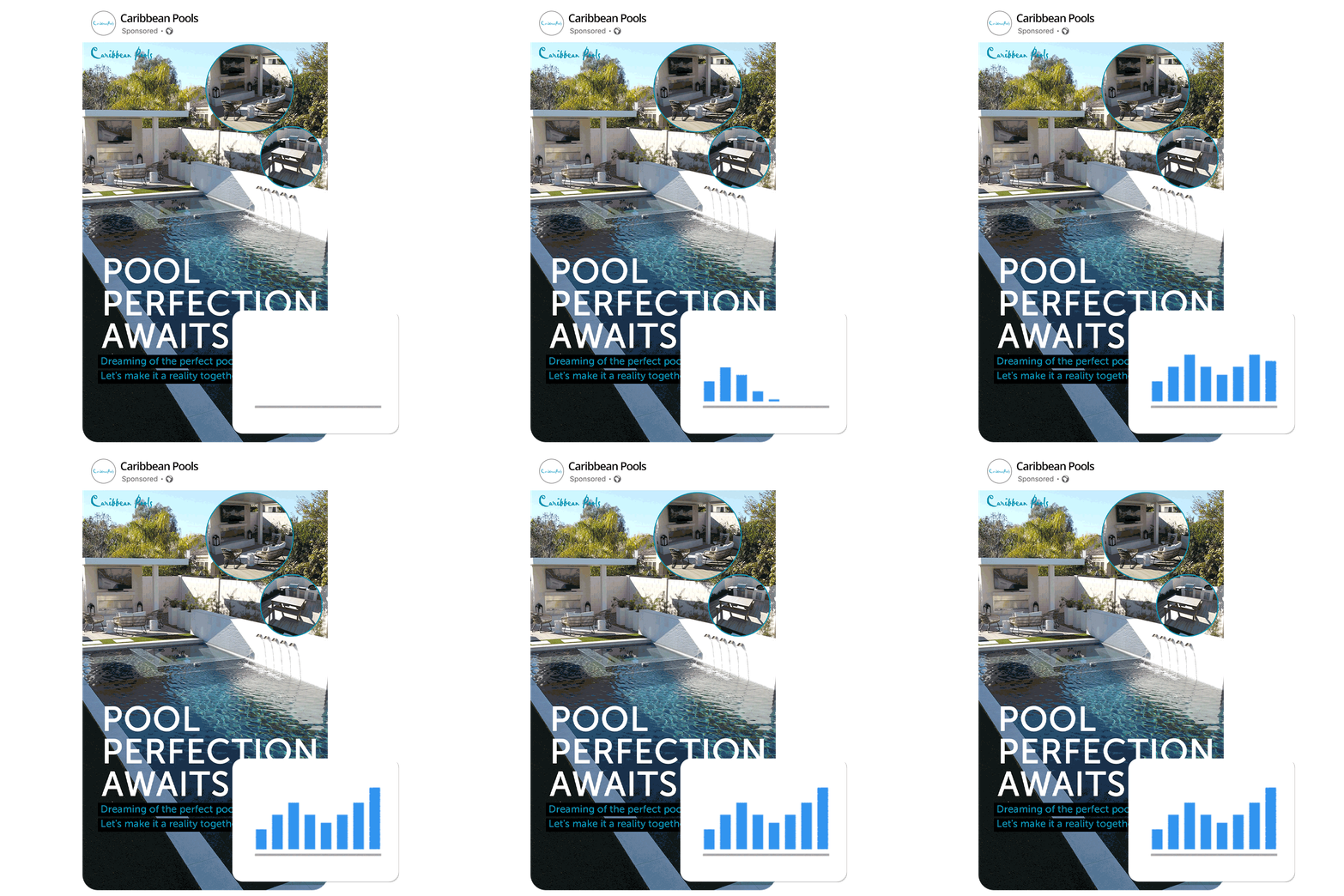
We create high-impact social media campaigns that drive real results. Our approach ensures every aspect of your campaign is optimized for success.
Meta Business Partner
Managing over $2.5 million in ad spend per month
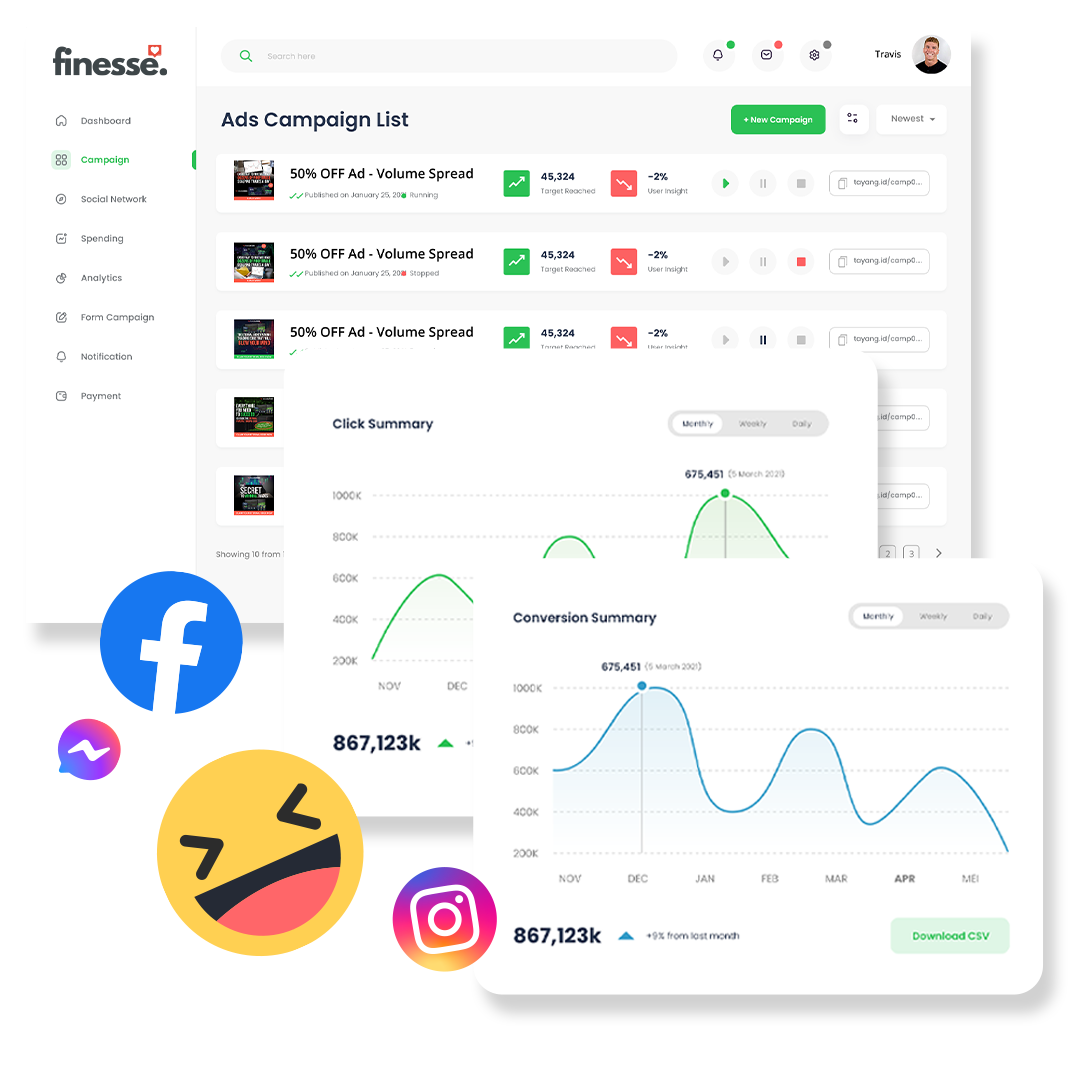
Precision Media Buying
Expert Campaign Management and Performance Optimization
Our media buying specialists manage your campaigns, monitor performance, and test variations to ensure optimal results and maximum ROI.
Engaging Creative That Captivates and Converts
Compelling Ads Designed to Drive Action
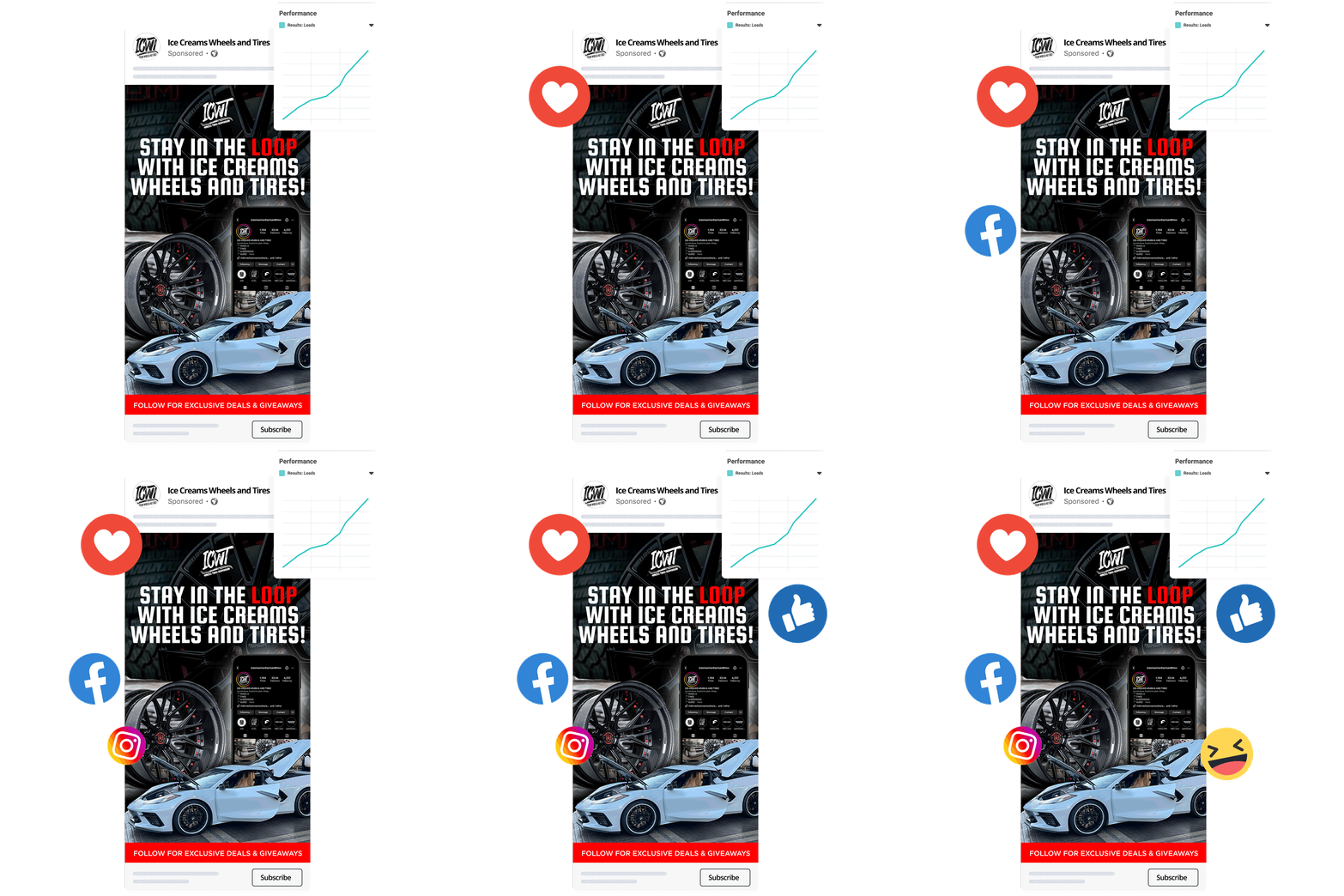
Our creative team crafts visually stunning ads with clear, compelling copy and strong calls to action to drive engagement and conversions.

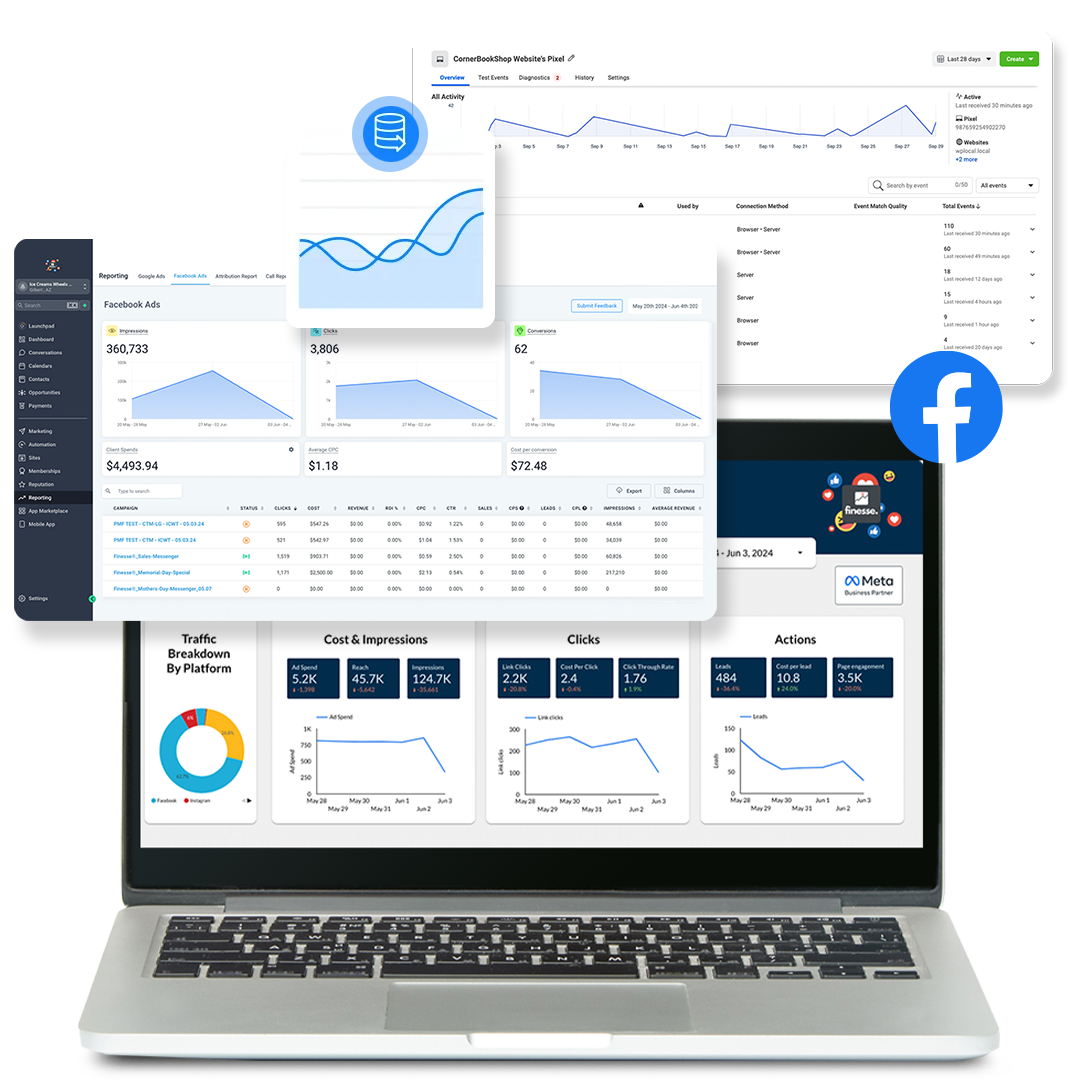
Advanced Tracking Features
Comprehensive Reporting and Analytics
Leverage our advanced tracking features to gain deep insights into your campaign performance and make data-driven decisions.
Precision Targeting for Maximum Impact
Reach the Right Audience with Precision-Targeted Ads
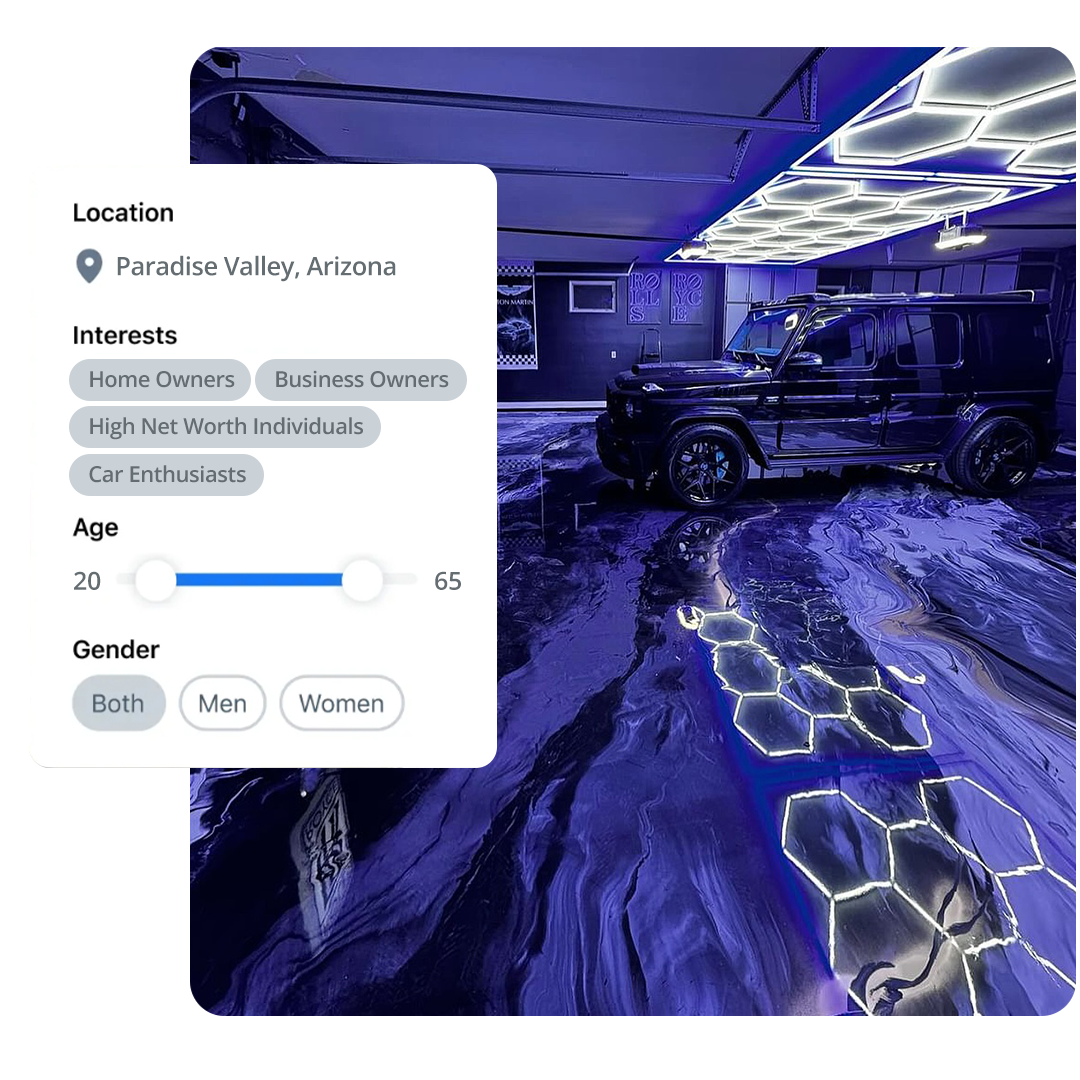
Our targeted advertising features ensure your ads reach the right audience by leveraging data on age, gender, location, and interests.
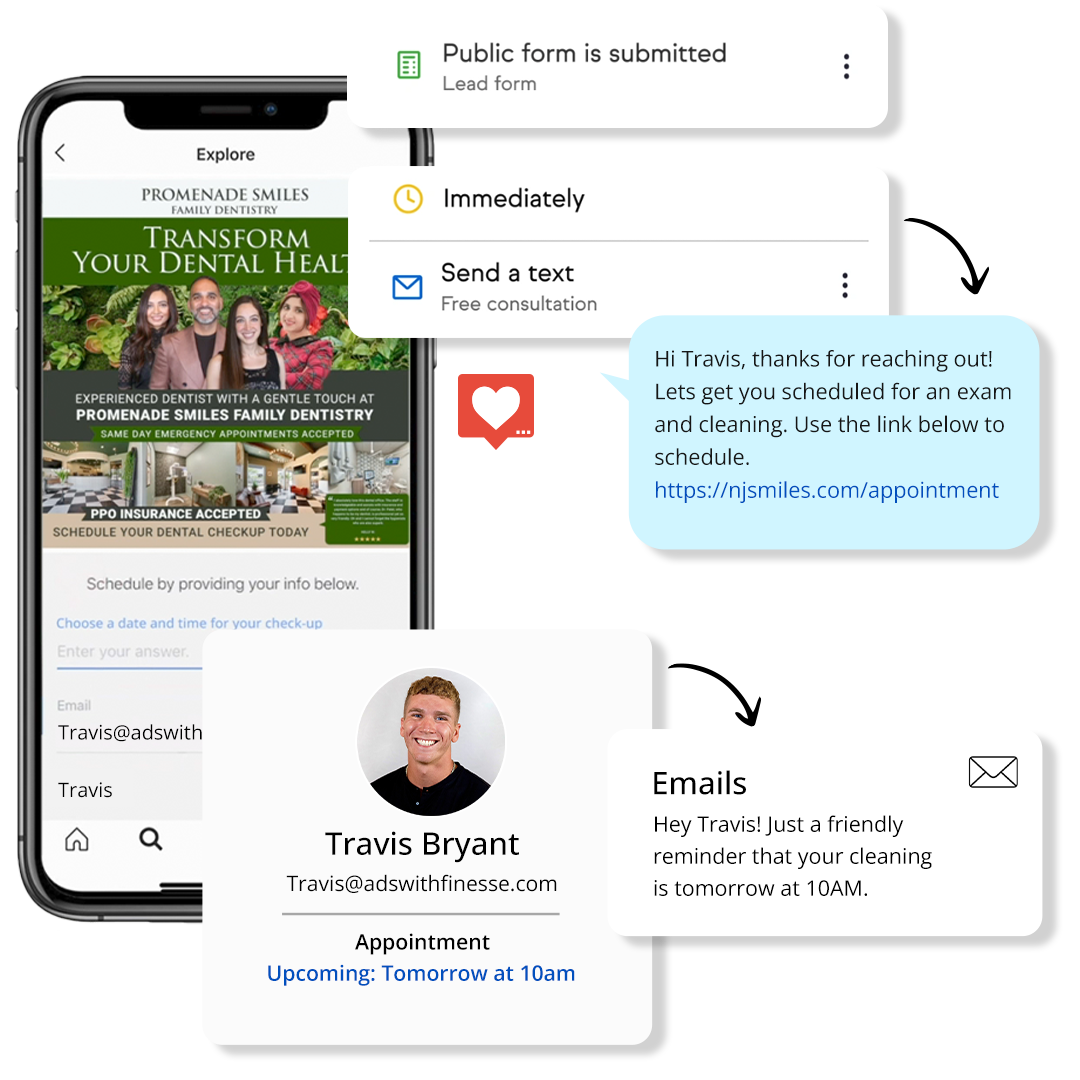
Seamless CRM Integration
Streamline Your Marketing and Sales Processes
Integrate your social media ads with our CRM system to automate marketing and sales processes and keep your sales pipeline full.
Additional services
For Business Owners & Agencies Facing Disruptions With Their Advertising
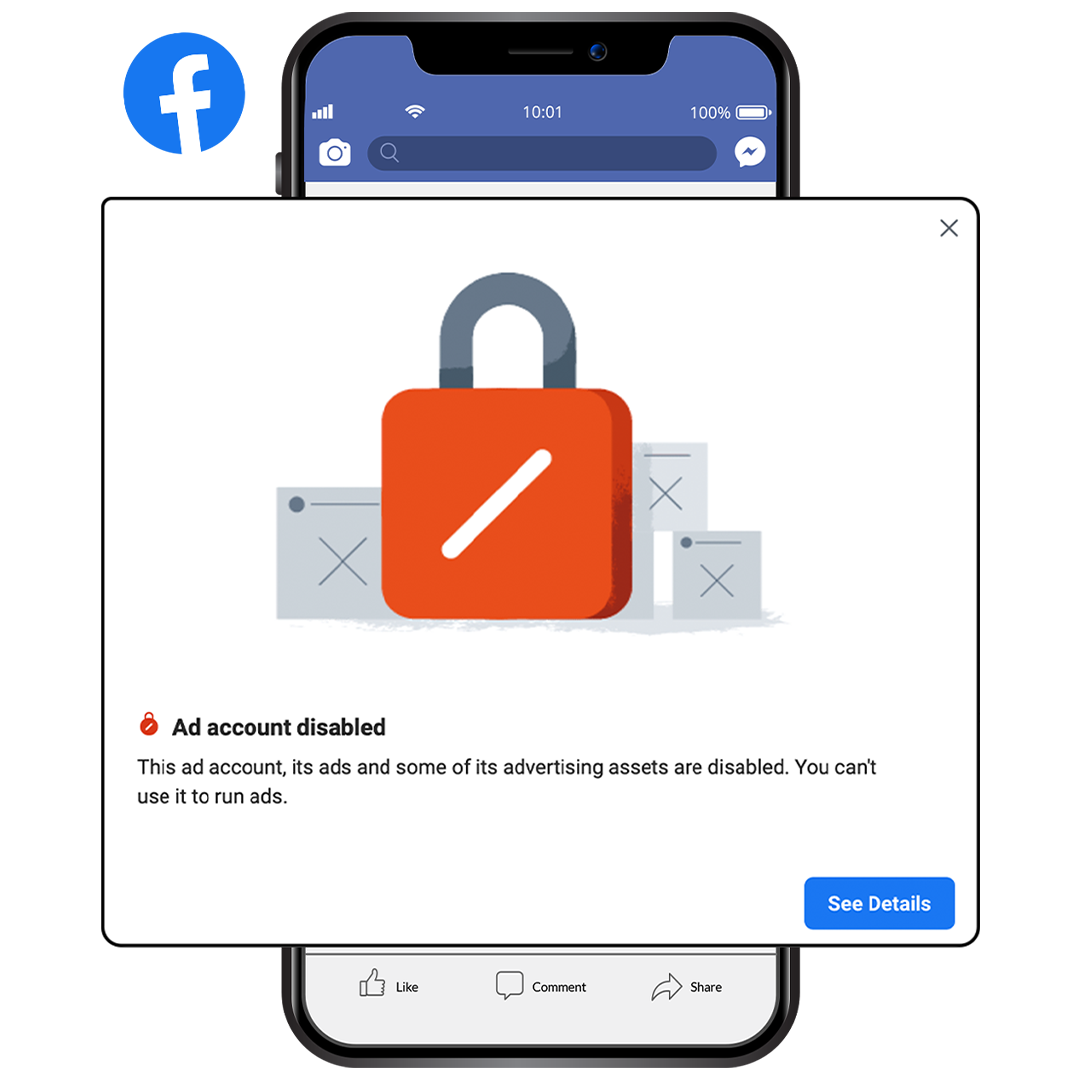
Facebook Agency Ad Accounts
Say goodbye to daily spend limits, account disables, restrictions, and ad rejections.
Unlimited Ad Spend: Scale your campaigns without worrying about daily limits.
Seamless Compliance: Stay compliant with Facebook's policies and avoid disruptions with our support.
Expert Support: Get guidance and support from our team for operational, API & Technical Support
Data-Driven Performance: Harness the power of data for optimal ad performance.
Still got questions?
Frequently Asked Questions
What platforms do you specialize in for social media advertising?
We specialize in social media advertising on Facebook and Instagram. We tailor our strategies to each platform to ensure maximum engagement and ROI.
How do you measure the success of social media advertising campaigns?
We measure success through key performance indicators (KPIs) such as impressions, engagement (likes, comments, shares), click-through rates, conversions, and return on ad spend (ROAS). Our advanced tracking tools provide detailed reports to help you understand the impact of your campaigns.
What kind of content do you create for social media ads?
Our team designs visually stunning ads that include engaging text, compelling headlines, and strong calls to action. We create a variety of content types such as images, videos, carousels, and stories to capture your audience's attention and drive conversions.
How do you ensure my ads reach the right audience?
We use targeting features to ensure your ads reach the most relevant audience. This includes targeting by age, gender, location, interests, behaviors, and more. We continuously optimize targeting based on performance data to maximize your ad's effectiveness.

Effective Local Audience Targeting with SEO: Understanding Audience Segmentation
Targeting Local Audiences Effectively with SEO: Understanding Audience Targeting and Segmentation

Targeting local audiences with SEO is essential for businesses that want to attract customers in their specific geographic area. By focusing on local SEO strategies and understanding audience segmentation, you can ensure your content reaches the right people at the right time. In this blog post, we will explore the best practices for local SEO and how audience targeting and segmentation can enhance your digital marketing efforts.
1. The Importance of Local SEO in Audience Targeting
Local SEO is all about optimizing your website and content to rank well in search results for specific locations. It’s particularly important for businesses with physical stores or those offering services in a defined area. With more consumers searching for local products and services online, appearing in local search results can significantly boost your visibility and customer engagement.
Key local SEO strategies include:
Incorporate Location-Based Keywords: Include your city or region in key parts of your website, such as titles, meta descriptions, and headers. For example, “Best Italian Restaurant in Phoenix” or “Top Plumbing Services in Scottsdale.”
Optimize Google My Business (GMB): Ensure that your GMB profile is complete, with accurate information about your business hours, address, and contact details. Positive reviews on GMB also boost local SEO.
Local Backlinks: Build relationships with local bloggers, newspapers, and other businesses to gain local backlinks, which can increase your search ranking.
Focusing on these local SEO strategies allows you to target the right audience geographically, ensuring your business shows up when potential customers search for local services.
2. Understanding Audience Targeting and Segmentation
Effective audience targeting involves identifying the groups of people most likely to engage with your business and tailoring your SEO and content strategies to meet their specific needs. Segmentation breaks your audience into smaller, more defined groups based on characteristics like location, behavior, and demographics.
Here’s how to effectively segment your audience:
Demographic Segmentation: Identify your audience based on factors such as age, gender, income level, and occupation. For example, a real estate business might target young professionals looking for starter homes in Scottsdale.
Behavioral Segmentation: Track and analyze user behaviors such as past purchases, search history, or social media activity. Understanding what your audience is interested in can help you create more relevant and engaging content.
Geographic Segmentation: This is critical for local businesses, as it allows you to focus your SEO efforts on specific areas. Ensure you are targeting neighborhoods, cities, or regions where your business operates.
Audience segmentation ensures that your content, SEO efforts, and ads are hyper-focused, making them more relevant to specific groups and increasing engagement.
3. Combining Local SEO with Audience Segmentation
Integrating local SEO strategies with audience segmentation allows you to maximize your marketing efforts. By targeting specific groups within your local audience, you can tailor your content to their unique needs and behaviors, making your business more appealing and increasing conversions.
How to combine local SEO with audience segmentation:
Target Local Keywords Based on Segments: Use different keywords to target various audience segments. For example, if you run a dental practice in Phoenix, you might use “affordable family dentistry in Phoenix” for families and “cosmetic dental services in Phoenix” for young professionals.
Create Location-Specific Content: Write blog posts or create landing pages specifically tailored to different local audience segments. Highlight how your business meets the needs of various groups within your target area.
Use Paid Ads for Local Segments: If you’re running paid search or social media ads, ensure you’re targeting specific local segments, using geographic and behavioral filters to reach the most relevant audience.
4. Tracking and Measuring Local SEO Performance
Once your local SEO and audience targeting strategies are in place, it’s important to track your performance to see what’s working and where you can improve.
Tools to help measure your local SEO performance:
Google Analytics: This tool lets you see where your website traffic is coming from, including geographic data. You can analyze the behavior of different segments and determine which audience segments engage most with your content.
Google My Business Insights: GMB Insights show you how customers are finding your business, including what keywords they are using, how many people viewed your profile, and where they are coming from.
Local SEO Tools: Tools like BrightLocal and Moz Local provide data on local search rankings, track your competitors, and offer insights on how to improve your local SEO strategy.
Conclusion:
Effectively targeting local audiences through SEO requires a combination of well-researched keywords, location-based content, and precise audience segmentation. By understanding who your customers are and tailoring your marketing efforts to meet their needs, you can enhance visibility, engagement, and conversions. Continuously track and refine your local SEO and audience targeting strategies to ensure your business stays relevant and visible in your target area.
Want to learn more about Targeting Local Audiences Effectively with SEO: Understanding Audience Targeting and Segmentation?
Learn more today and start attracting more customers to your local business!
Don't miss out on our new blogs at adswithfinesse.com.


© 2025 Ads with Finesse | Terms & Conditions | Privacy Policy
Ads With Finesse continually stays up to date with Meta & Google marketing changes related to policies, tools, products and more.


